Stages of Colorectal Cancer Explained: Stage 0 to Stage 4
Being told that you have colorectal cancer can be overwhelming. Amid the emotions and uncertainty, one of the first questions many people ask is, "What stage is it?"
It's a question that doctors expect and for good reason. The stage of a cancer tells us far more than simply how "serious" it is. It provides important information about how far the cancer has grown, whether it has spread beyond the bowel and what treatment options are likely to be most appropriate.
Just as importantly, understanding the stages of colorectal cancer also highlights why screening remains so valuable. Colorectal cancer usually develops gradually over many years, often beginning as small, non-cancerous polyps that can be detected and removed before they become cancerous. Even when cancer has already developed, identifying it at an earlier stage often provides more treatment options and improves long-term outcomes.
In this article, Dr Aaron Poh explains how colorectal cancer is staged, what each stage means and how staging influences the decisions your healthcare team makes throughout your treatment journey.
What does "cancer stage" actually mean?
When people hear the word "stage", it's common to assume that it simply refers to the size of a tumour. While tumour size can play a role, staging actually looks at a much broader picture.
In colorectal cancer, staging describes how far the disease has progressed within the body [1]. It considers not only where the tumour began, but also whether it has grown deeper into the wall of the colon or rectum, spread to nearby lymph nodes or travelled to other organs.
This distinction is important because two patients may have tumours of a similar size but very different stages. For example, one tumour may remain confined to the bowel, while another may have already spread to nearby lymph nodes. Although they may appear similar on the surface, the recommended treatments and expected outcomes can differ considerably.
It’s also worth remembering that stage does not always reflect how someone feels [2].
Early colorectal cancer often causes few or no symptoms at all. Conversely, some people with more advanced disease may initially experience only mild or vague symptoms. This is one of the reasons colorectal cancer cannot be staged based on symptoms alone.
Instead, staging relies on careful investigations that allow doctors to understand exactly how far the cancer has progressed.
How is colorectal cancer staged?
Learning that you have colorectal cancer is only the beginning of the diagnostic process. Before recommending treatment, our doctor needs to understand the full extent of the disease. This information is gathered through a combination of investigations, with each one providing a different piece of the overall picture.
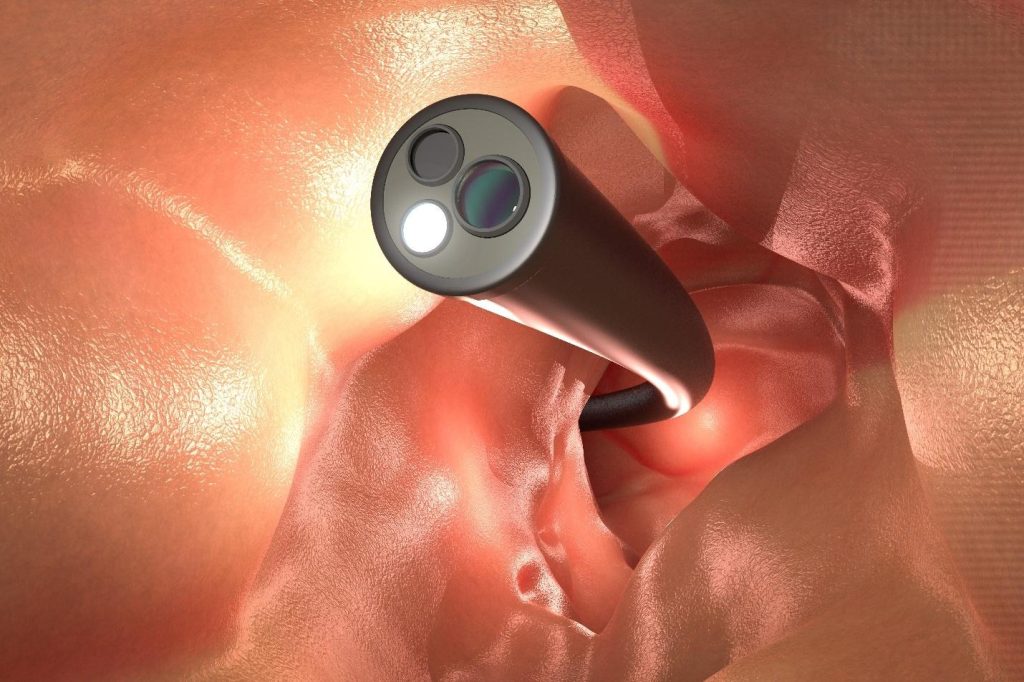
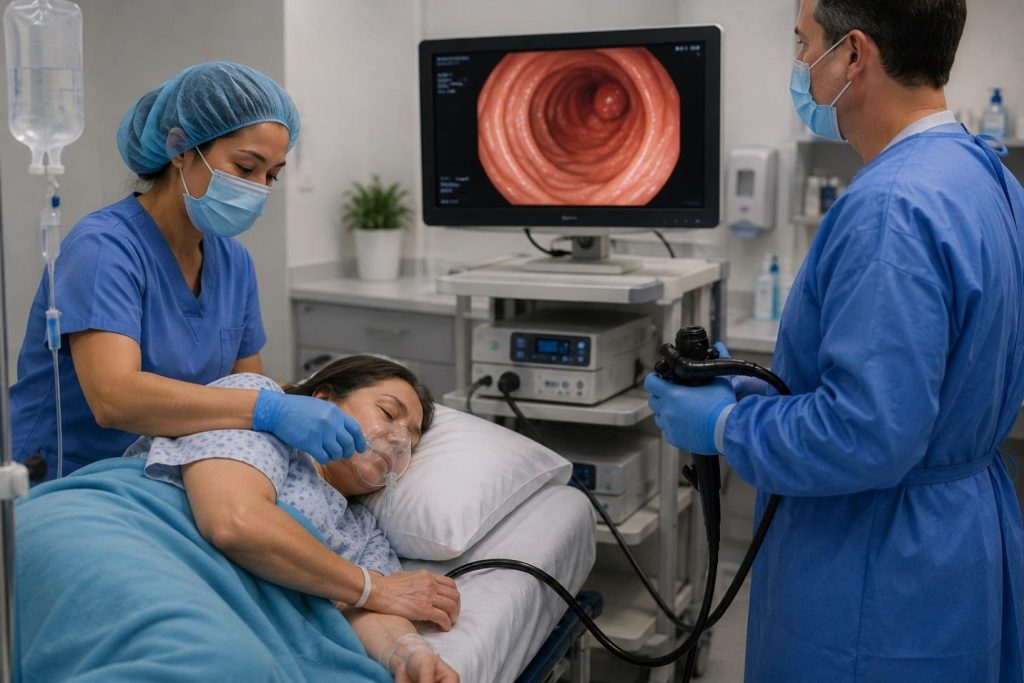
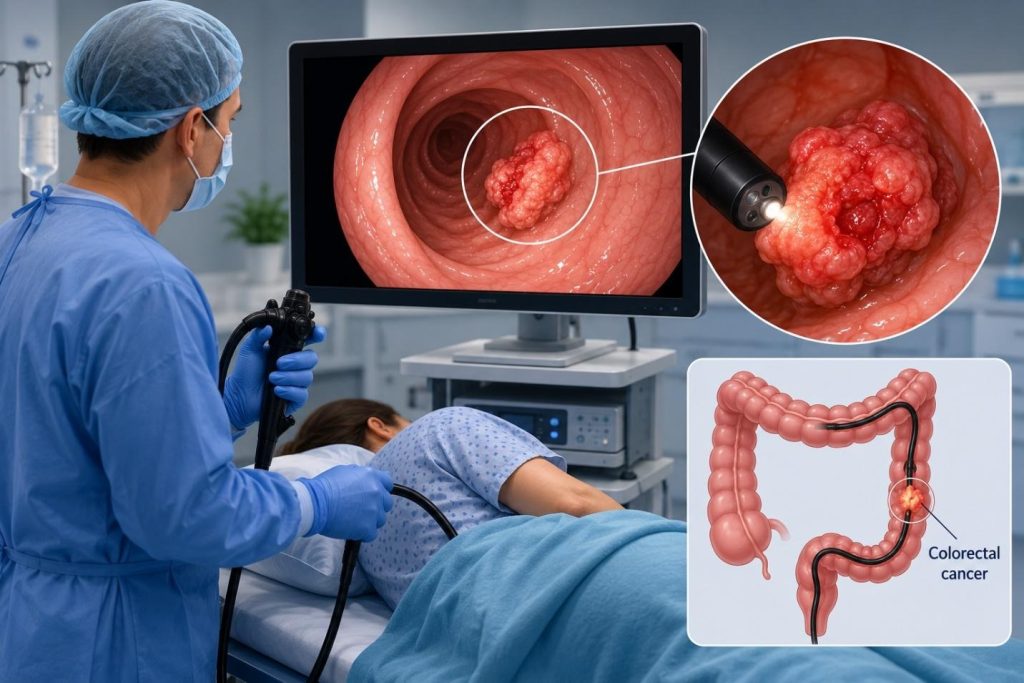
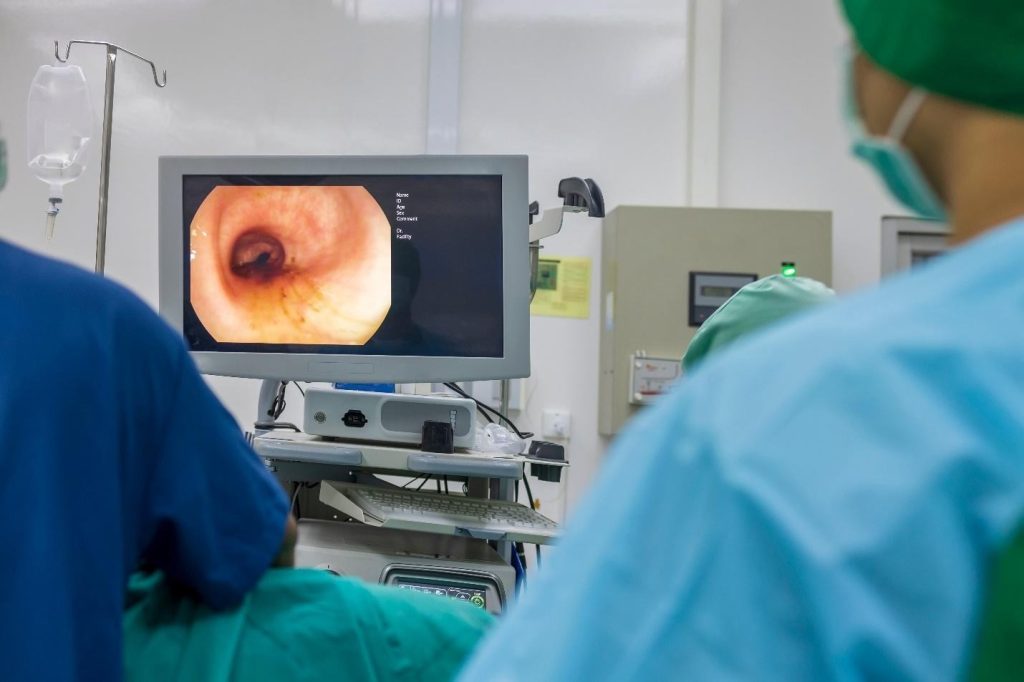
A colonoscopy often plays the first and most important role. During the procedure, the doctor examines the lining of the colon and rectum directly, allowing abnormal growths or suspicious areas to be identified. If necessary, tissue samples (biopsies) are taken so that a pathologist can confirm whether cancer cells are present.
Once a diagnosis has been confirmed, additional investigations are usually arranged to determine whether the cancer remains confined to the bowel or has spread elsewhere.
These may include:
- Computed Tomography (CT) scans – help assess whether the cancer has spread to nearby structures or distant organs such as the liver or lungs.
- Magnetic Resonance Imaging (MRI) scans – particularly for rectal cancer, which provide detailed images of the rectum and surrounding tissues to help plan treatment.
- PET-CT scans – useful for differentiating between equivocal findings and also for occult metastases
- Blood tests – including tumour markers such as carcinoembryonic antigen (CEA), which may assist with treatment planning and monitoring.
- Pathology findings – obtained after surgery, which provide detailed information about the tumour, lymph nodes and surrounding tissues.
What is the TNM Staging System?
In Singapore, colorectal cancer is typically staged using the internationally recognised TNM staging system. Although patients are often told they have Stage I, Stage II, Stage III or Stage IV colorectal cancer, these overall stages are derived from the more detailed TNM classification rather than being assigned independently.
The TNM system provides a standardised framework that doctors in Singapore and around the world use to describe the extent of colorectal cancer. Rather than assigning a stage based on a single finding, it evaluates three separate components:
| COMPONENT | WHAT IT ASSESSES |
| T (Tumour) | How deeply the primary tumour has grown into or through the wall of the colon or rectum. |
| N (Nodes) | Whether the cancer has spread to nearby lymph nodes. |
| M (Metastasis) | Whether the cancer has spread to distant organs, such as the liver or lungs. |
Each category is assessed independently before being combined to determine the overall stage.
For example, a cancer that has grown into the bowel wall but has not spread to lymph nodes or distant organs will be staged differently from one that has already spread beyond the bowel.
While the terminology may appear technical, the purpose of the TNM system is straightforward. It provides doctors with a reliable way to describe the disease, compare treatment outcomes and recommend therapies based on internationally recognised evidence.
Fortunately, patients do not need to remember the individual TNM classifications. Your colorectal specialist will usually explain your diagnosis using the more familiar Stage 0 to Stage 4 system, which brings these findings together in a way that is easier to understand.
Why does knowing the stage of your colorectal cancer matter?
Once the stage has been established, it becomes one of the most important pieces of information guiding the rest of your care.
Many people understandably assume that staging is mainly about predicting survival. While it can provide useful information about prognosis, its role extends much further than that.
Knowing the stage helps doctors answer practical questions that influence every aspect of treatment.
For example:
- Is surgery alone likely to be sufficient?
- Would chemotherapy reduce the risk of the cancer returning?
- Is radiotherapy recommended before surgery, particularly for rectal cancer?
- Has the cancer spread beyond the bowel, requiring a different treatment approach?
In other words, staging allows treatment to be tailored rather than applying the same approach to every patient.
A colorectal cancer identified at an earlier stage is often more localised and generally easier to treat than one that has spread to nearby lymph nodes or distant organs.
Does the stage tell the whole story?
While staging is extremely important, it’s only one part of the overall picture. Two patients with the same stage of colorectal cancer may receive different treatment recommendations because other factors also influence decision-making.
These include:
- The exact location of the cancer within the colon or rectum
- The tumour's microscopic characteristics
- Genetic and molecular features of the cancer
- Whether the tumour has caused bowel obstruction or perforation
- The patient's age and overall health
- Existing medical conditions
- Personal treatment goals and preferences
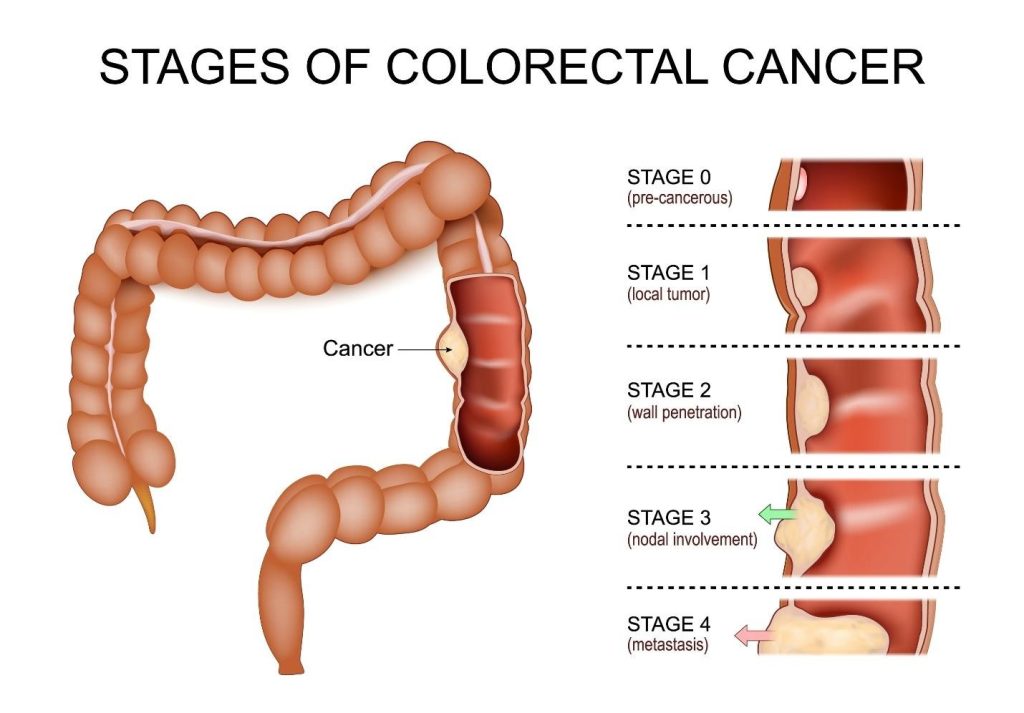
Stage 0 Colorectal Cancer (Carcinoma in situ)
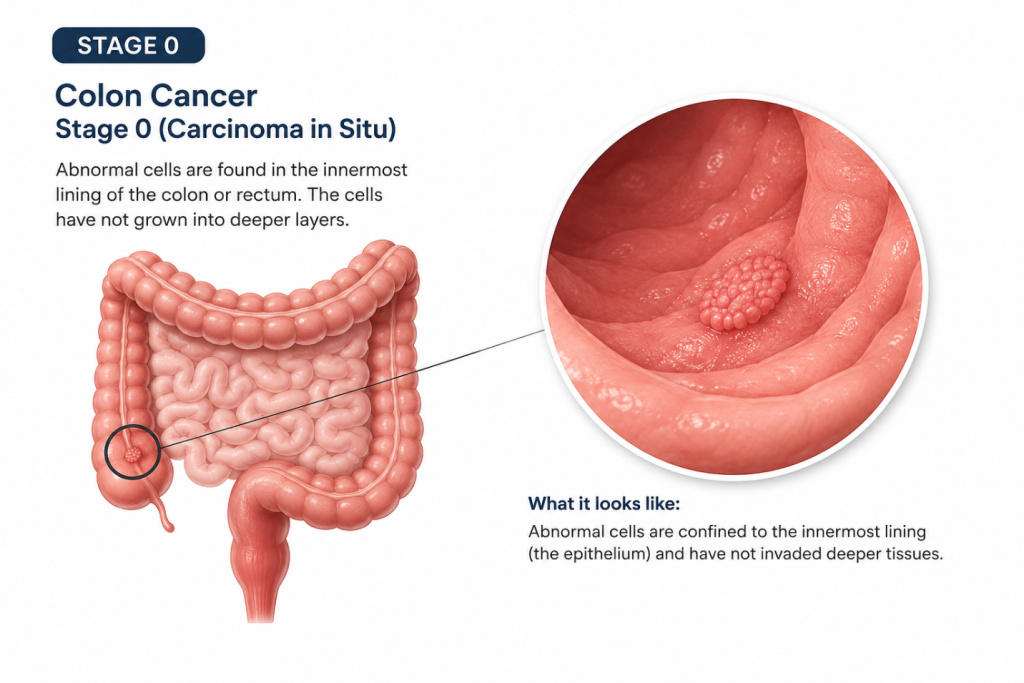
Although Stage 0 is classified as colorectal cancer, it represents the earliest point along the disease spectrum.
At this stage, abnormal cells are found only within the innermost lining of the colon or rectum [4], known as the mucosa. They have not grown into the deeper layers of the bowel wall or spread beyond their original location. Because the abnormal cells remain confined to the surface lining, Stage 0 is sometimes referred to as carcinoma in situ, which literally means "cancer in its original place."
In many cases, Stage 0 disease is discovered during a screening colonoscopy [5] before it causes any symptoms. This highlights one of the greatest strengths of colorectal cancer screening. Rather than waiting for symptoms to develop, colonoscopy allows doctors to detect abnormal tissue at a very early stage.
What happens during stage 0?
At Stage 0, the abnormal cells are located entirely within the innermost lining of the colon or rectum. They have not invaded the deeper layers of the bowel wall, reached nearby lymph nodes or spread to distant organs. This makes Stage 0 fundamentally different from the later stages of colorectal cancer, where the disease progressively grows deeper or spreads beyond its original site.
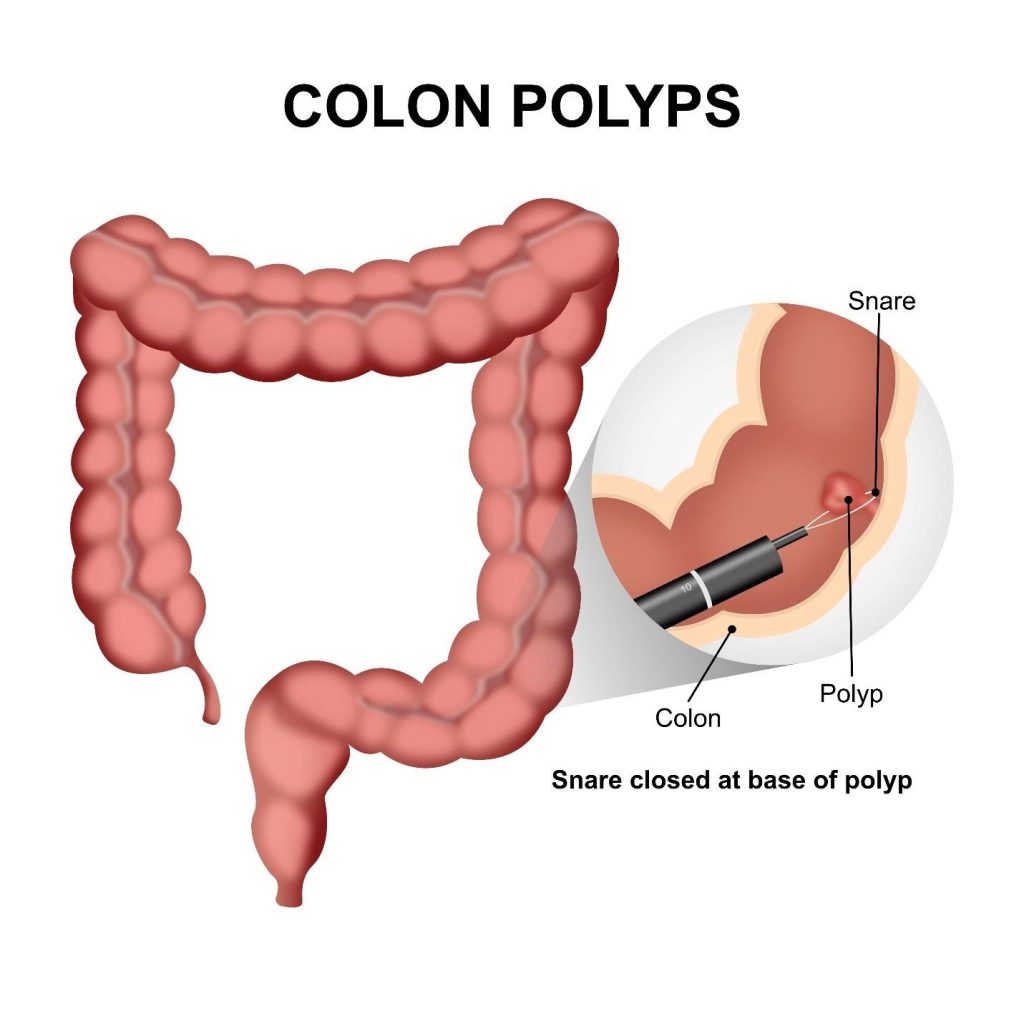
Many Stage 0 cancers develop from precancerous polyps over time. Detecting these abnormalities early allows treatment before more advanced disease develops.
Symptoms at stage 0
One of the defining features of Stage 0 colorectal cancer is that it rarely causes symptoms. Most people continue to feel completely well and are unaware that abnormal cells are present.
When symptoms do occur, they are often subtle and may include:
- Occasional rectal bleeding
- Small amounts of blood in the stool
- Mild changes in bowel habits
However, many patients experience no symptoms whatsoever.
How is stage 0 usually treated?
Treatment depends on the size, location and appearance of the abnormal tissue.
For many patients, the affected tissue can be completely removed during a colonoscopy using specialised techniques such as polypectomy or endoscopic mucosal resection (EMR) or endoscopic submucosal dissection (ESD).
If the abnormal area is larger, cannot be safely removed endoscopically or if there is concern that cancer has begun invading deeper layers, surgery may be recommended to ensure complete removal.
Because Stage 0 remains confined to the inner lining of the bowel, treatment outcomes are generally excellent when it is identified and managed appropriately. In many cases, successful treatment at this stage prevents the disease from progressing into invasive colorectal cancer altogether.
Stage 1 Colorectal Cancer: When cancer has started to invade the bowel wall
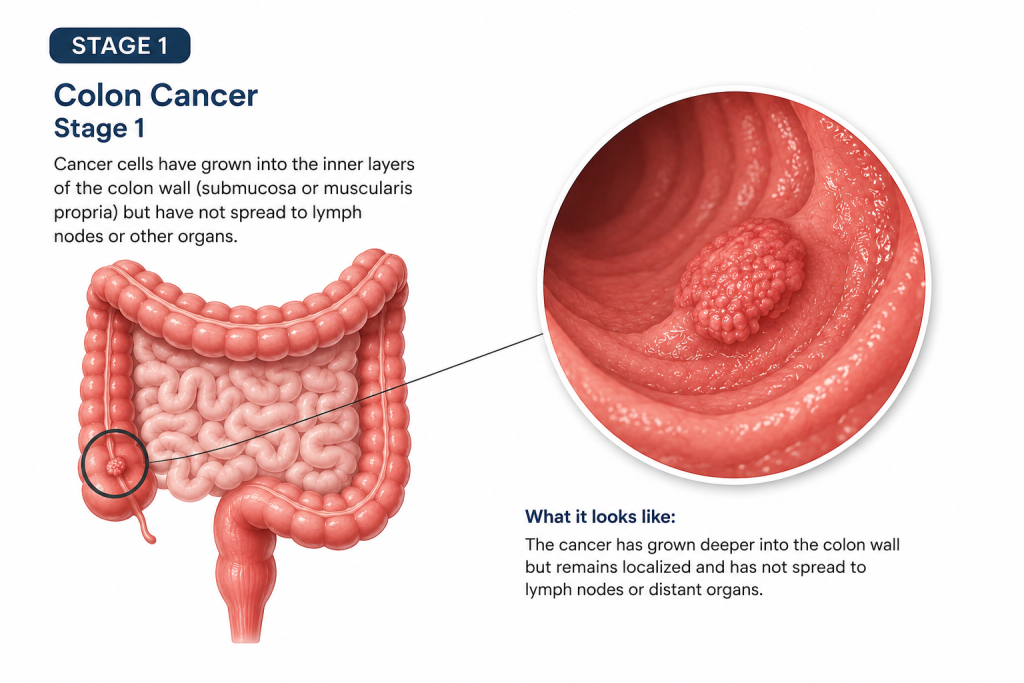
Receiving a diagnosis of Stage 1 colorectal cancer can understandably feel frightening. However, it’s important to recognise what this stage actually means.
At Stage 1, the cancer has progressed beyond Stage 0 because it has begun to invade deeper layers of the bowel wall. Despite this, it remains localised to the colon or rectum. It has not spread to nearby lymph nodes [6] and there is no evidence of distant metastasis.
In many respects, this is still considered an early-stage colorectal cancer. Because the disease remains confined to the bowel, treatment is often highly effective and long-term outcomes are generally favourable when managed promptly.
What happens during stage 1?
Cancer usually begins in the innermost lining of the bowel. By Stage 1, the abnormal cells have grown beyond that lining and have entered the deeper tissue layers of the colon or rectum.
However, they have not yet travelled outside the bowel wall and has minimally gained access to the lymphatic system.
This distinction is important because the likelihood of cancer spreading increases once it gains access to lymph nodes or blood vessels.
Symptoms at stage 1
One of the challenges with Stage 1 colorectal cancer is that many patients continue to feel perfectly well.
Some people may experience subtle symptoms, including:
- Occasional rectal bleeding
- A change in bowel habits
- Mild abdominal discomfort
- Iron deficiency anaemia
- Fatigue related to slow blood loss
However, many patients have no symptoms whatsoever. This is why screening continues to play such an important role. A colonoscopy performed because of age, family history or a positive FIT test may detect Stage 1 disease long before it begins causing noticeable problems.
How is stage 1 usually treated?
Treatment depends on several factors, including the size and location of the tumour. For most patients, surgical removal of the affected section of the colon or rectum is the main treatment.
During surgery, the surgeon removes:
- The section of bowel containing the tumour
- A margin of healthy tissue surrounding it
- Nearby lymph nodes for examination
Even when imaging suggests the cancer has not spread, lymph nodes are routinely removed because microscopic cancer cells cannot always be detected beforehand. Examining these lymph nodes allows doctors to confirm the true stage of the disease and determine whether additional treatment is necessary.
In many cases, surgery alone is sufficient for Stage 1 colorectal cancer.
Stage 2 Colorectal Cancer: When cancer has grown further but remains localised
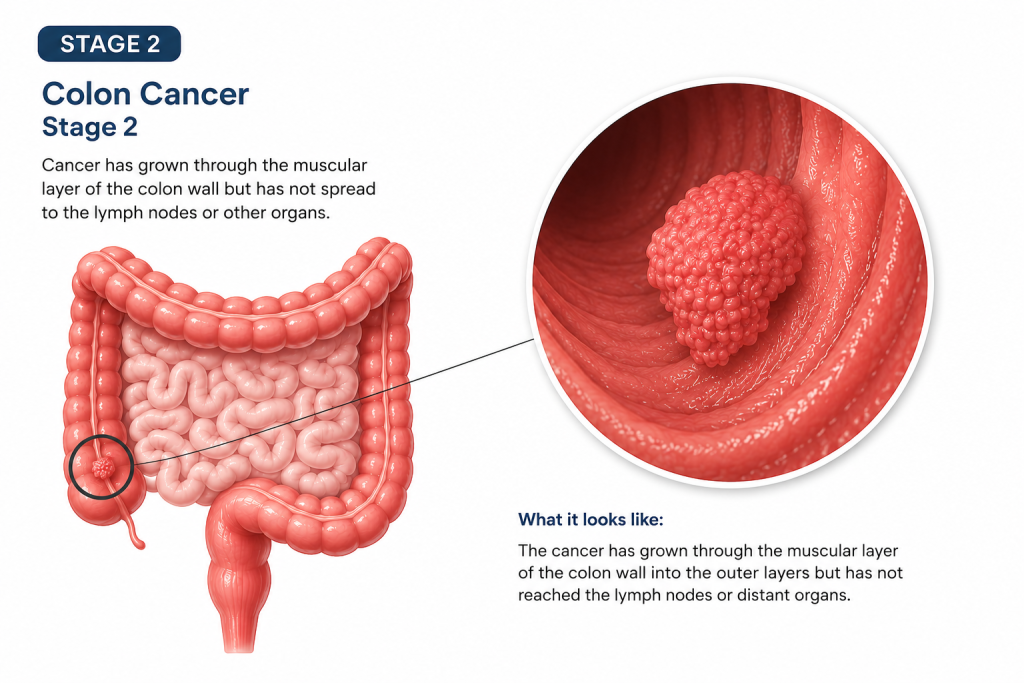
Stage 2 colorectal cancer often causes understandable confusion. Patients frequently ask: "If the tumour is larger, why is it still considered an early stage?"
The answer lies in how colorectal cancer is staged. Cancer stage is not determined solely by tumour size. Instead, it reflects how far the cancer has spread [7]. Although Stage 2 tumours have grown further into or even through, the bowel wall, they have not spread to nearby lymph nodes or distant organs [8].
That distinction remains one of the most important factors influencing treatment decisions and prognosis.
What happens during stage 2?
By this stage, the tumour has extended beyond the inner layers of the bowel.
Depending on the specific subtype, it may:
- Grow through the muscular wall of the colon
- Reach the outermost layer of the bowel
- Extend into nearby fatty tissue surrounding the colon
- Occasionally involve nearby structures without distant spread
Why is stage 2 divided into substages?
Not every Stage 2 cancer behaves in exactly the same way. As such, doctors divide Stage 2 into smaller categories based on how deeply the tumour has grown.
| STAGE | GENERAL DESCRIPTION |
| Stage 2A | Cancer has grown through the muscular wall into nearby tissues. |
| Stage 2B | Cancer has reached the outer surface of the colon or rectum. |
| Stage 2C | Cancer has grown into nearby organs or structures without lymph node involvement. |
Symptoms at stage 2
Some patients continue to have minimal symptoms. Others begin noticing changes such as:
- Persistent abdominal discomfort
- Altered bowel habits
- Blood in the stool
- Unexplained weight loss
- Fatigue caused by chronic blood loss
- A sensation that the bowel does not empty completely
Because these symptoms are often non-specific, they may initially be mistaken for less serious digestive conditions.
How is stage 2 usually treated?
Surgery remains the primary treatment for most Stage 2 colorectal cancers. Following surgery, the pathology report becomes especially important.
Rather than focusing only on the tumour itself, doctors also assess several features that influence recurrence risk, including:
- How deeply the tumour has grown
- Whether lymphatic or blood vessels are involved
- Whether the tumour caused bowel obstruction or perforation
- The tumour's microscopic characteristics
- Whether surgical margins are completely clear
These findings help determine whether additional treatment, such as chemotherapy, may provide further benefit for selected patients.
Stage 3 Colorectal Cancer: When Cancer Has Reached Nearby Lymph Nodes
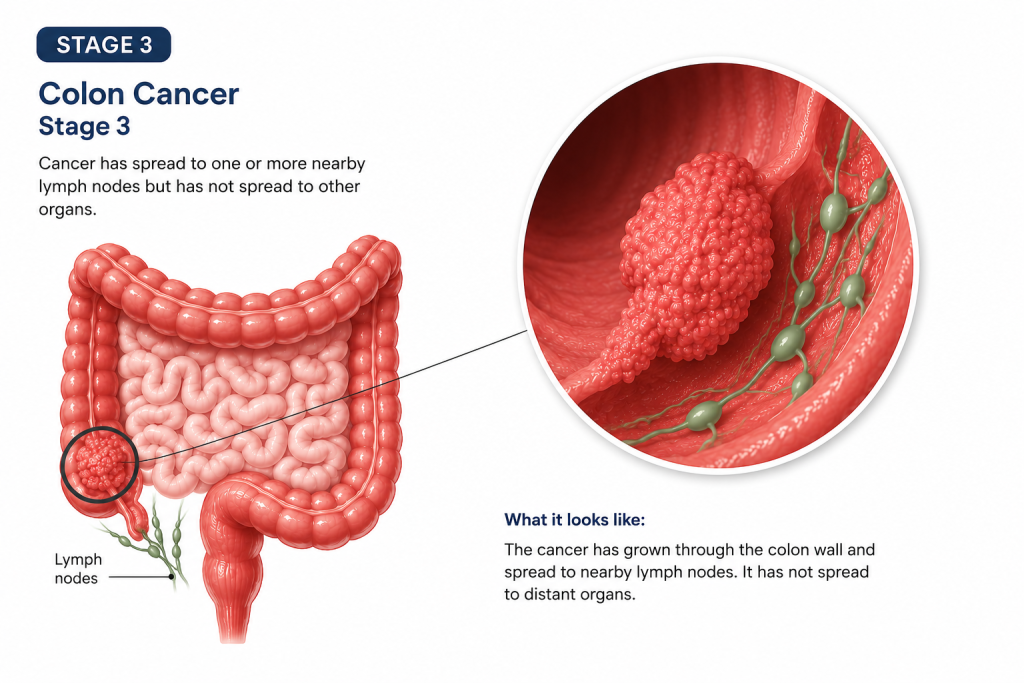
For many patients, hearing the words "lymph node involvement" is particularly alarming. It’s understandable to assume this means the cancer has spread throughout the body. Fortunately, that is not necessarily the case.
Stage 3 colorectal cancer means the tumour has spread to nearby lymph nodes, but there is no evidence that it has reached distant organs such as the liver or lungs [9].
Although Stage 3 represents a more advanced stage than Stages 1 and 2, it remains potentially curable for many patients.
What are lymph nodes?
Lymph nodes are small, bean-shaped structures that form part of the body's immune system. They help filter lymphatic fluid and play an important role in detecting infections and abnormal cells.
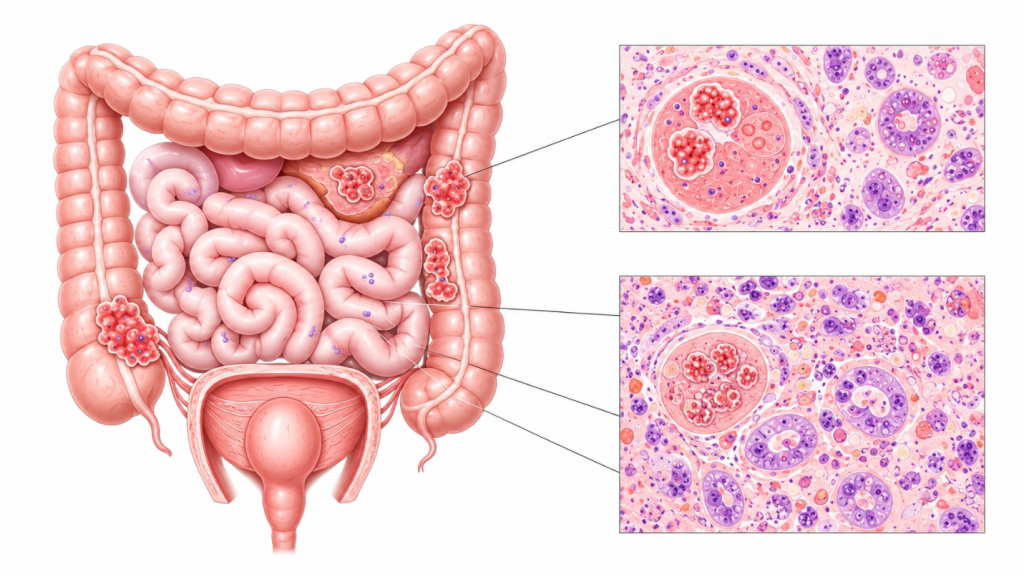
Because cancer cells can travel through lymphatic channels, nearby lymph nodes are often the first place colorectal cancer spreads beyond the bowel itself. This is one reason surgeons routinely remove lymph nodes during colorectal cancer surgery, even when imaging appears reassuring.
How is stage 3 different from stage 2?
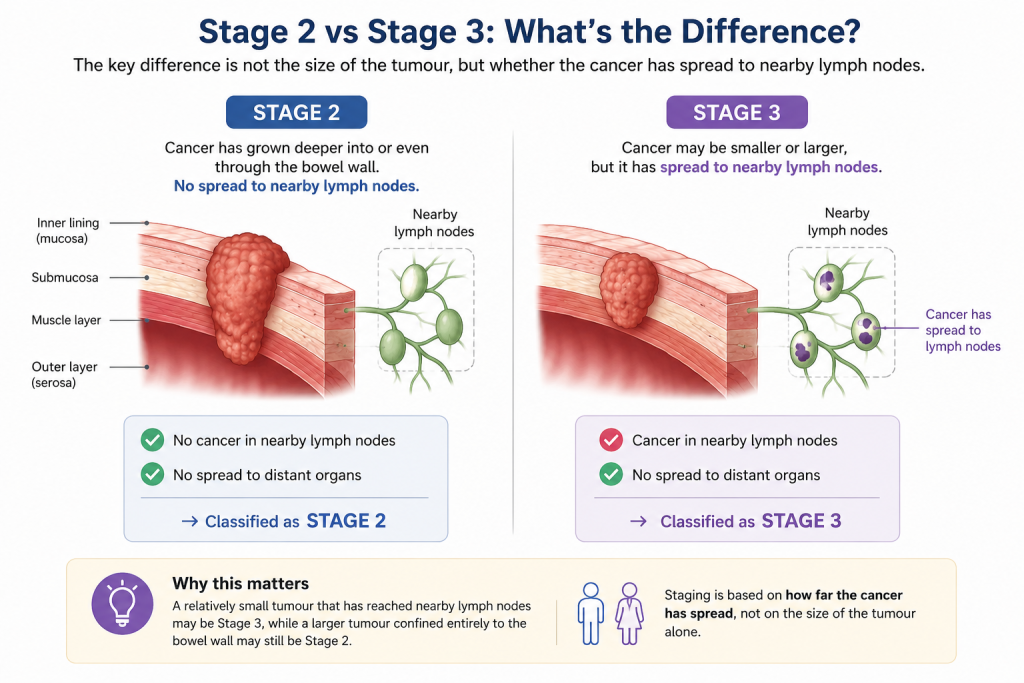
The key difference is not necessarily the size of the tumour. Instead, it’s where the cancer has spread.
A relatively small tumour that has reached nearby lymph nodes may be classified as Stage 3, while a larger tumour confined entirely to the bowel wall may still be Stage 2.
This illustrates why staging is based on disease spread rather than tumour size alone.
Symptoms at stage 3
Symptoms often become more noticeable as the disease progresses.
These may include:
- Persistent rectal bleeding
- Ongoing changes in bowel habits
- Narrow stools
- Abdominal pain
- Fatigue
- Unexplained weight loss
- Iron deficiency anaemia
However, symptom severity still varies considerably between individuals. Some patients continue to have relatively mild symptoms despite lymph node involvement.
How is stage 3 usually treated?
Treatment usually involves a combination of therapies. For colon cancer, this commonly includes:
- Surgery to remove the tumour and affected lymph nodes.
- Chemotherapy after surgery to reduce the risk of recurrence.
For rectal cancer, treatment may also involve:
- Radiotherapy
- Chemoradiotherapy before surgery
- Surgery
- Additional chemotherapy depending on individual circumstances
Treatment plans are carefully individualised based on the exact location of the cancer, pathology findings and the patient's overall health.
The important message is that Stage 3 remains potentially curable [10] and advances in surgical techniques and modern cancer therapies continue to improve outcomes for many patients.
Stage 4 Colorectal Cancer: When Cancer Has Spread Beyond the Colon or Rectum
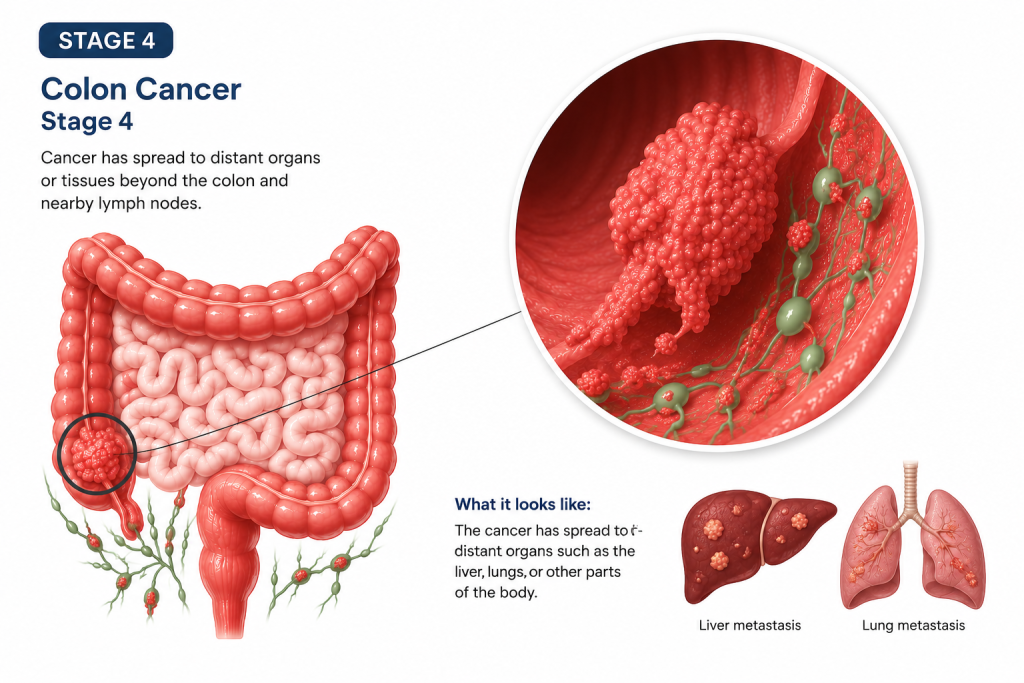
Stage 4 is the most advanced stage of colorectal cancer. It means that cancer cells have spread beyond the colon or rectum to other parts of the body, a process known as metastasis [11].
For many patients, hearing the words "Stage 4" can feel overwhelming. It’s often associated with fear and uncertainty about what lies ahead. While Stage 4 cancer is more complex to treat than earlier stages, it’s important to remember that a diagnosis is not the same as a prediction.
Treatment for Stage 4 colorectal cancer has advanced considerably over the past two decades [12]. Depending on where the cancer has spread, how extensive it is and a patient's overall health, many people can receive treatments that control the disease, relieve symptoms and, in selected situations, even achieve long-term remission or cure.
Although Stage 4 colorectal cancer cannot always be cured, advances in surgery, chemotherapy, targeted therapy and immunotherapy mean many patients are now living significantly longer than in the past, with some achieving long-term remission or, in selected cases, potentially curative treatment.
Where does colorectal cancer usually spread?
Colorectal cancer does not spread randomly. Certain organs are affected more commonly because of the way blood drains from the bowel.
The most common sites include:
- The liver – the most frequent site of spread because blood from the intestines flows directly to the liver through the portal vein.
- The lungs – another common site, particularly in rectal cancer.
- The lining of the abdomen (peritoneum) – where cancer cells may implant and grow.
- Less commonly – the bones, ovaries or other organs.
The location and extent of metastatic disease help determine which treatment options are appropriate.
Symptoms at stage 4
Symptoms vary widely depending on both the primary tumour and where the cancer has spread.
Patients may experience:
- Persistent changes in bowel habits
- Blood in the stool
- Ongoing abdominal pain
- Unexplained weight loss
- Fatigue
- Loss of appetite
- Jaundice if the liver is affected
- Shortness of breath if the lungs are involved
Some patients, however, may still have relatively few symptoms despite metastatic disease, with the cancer first identified during investigations for unrelated concerns.
How is stage 4 usually treated?
Unlike earlier stages, treatment for Stage 4 colorectal cancer often involves more than one speciality working together.
Depending on the individual situation, treatment may include:
- Surgery to remove the primary tumour
- Surgery to remove liver or lung metastases in selected patients
- Chemotherapy
- Targeted therapy
- Immunotherapy for suitable cancers
- Radiotherapy in selected situations
- Supportive care to improve comfort and quality of life
One important point worth emphasising is that not all Stage 4 cancers are the same [13].
Some patients have a single liver metastasis that can be surgically removed. Others may have multiple areas of spread requiring systemic treatment first. This is why treatment plans are highly individualised rather than determined by stage alone.
At what stage can a colonoscopy detect colorectal cancer?
A colonoscopy can detect colorectal cancer at any stage, from very early cancers confined to the inner lining of the colon to more advanced tumours. More importantly, it can identify precancerous polyps before they become cancerous. In many cases, these polyps can be removed during the same procedure, helping to prevent colorectal cancer from developing altogether.
During a colonoscopy, the doctor examines the entire colon and rectum using a flexible camera. If suspicious polyps or abnormal tissue are found, they can often be removed or biopsied immediately and sent for laboratory analysis. If colorectal cancer is confirmed, additional investigations such as CT scans, MRI or PET scans may be performed to determine the TNM stage and whether the cancer has spread beyond the colon or rectum.
Because early-stage colorectal cancer often causes few or no symptoms, screening colonoscopy plays an important role not only in detecting cancer early but also in preventing colorectal cancer through the identification and removal of precancerous polyps.
Early detection matters

While staging is an important part of understanding the disease, it should never be viewed in isolation. It’s one piece of information that helps guide treatment, estimate prognosis and support discussions between patients and their healthcare team.
Perhaps even more importantly, understanding the stages highlights why screening remains so valuable. Colorectal cancer often develops gradually over many years, progressing from precancerous polyps to increasingly advanced disease if left untreated. Detecting abnormalities before symptoms appear offers the greatest opportunity for effective treatment and, in many cases, prevention.
If you have experienced persistent bowel symptoms, received a positive FIT test or are due for colorectal cancer screening, consulting a colorectal specialist can help clarify the next steps. Whether the goal is prevention, early diagnosis or treatment, booking an appointment for a timely assessment remains one of the most important steps you can take to protect your long-term health.
Frequently Asked Questions
Which stage of colorectal cancer is considered early?
Stage 0, Stage 1 and many Stage 2 cancers are generally considered early-stage disease because the cancer remains confined to the bowel and has not spread to distant organs.
Can Stage 0 colorectal cancer become cancer?
Stage 0 is already considered the earliest form of colorectal cancer, although it remains confined to the inner lining of the bowel. If untreated, it has the potential to progress into more invasive cancer over time.
Is Stage 4 colorectal cancer always terminal?
Not necessarily. Although Stage 4 colorectal cancer is the most advanced stage, treatment options have improved considerably. Depending on where the cancer has spread and how it responds to treatment, some patients achieve long-term disease control and, in selected cases, potentially curative treatment
Can cancer stage change?
Once cancer has been staged before treatment, the stage itself does not usually change, even if the cancer later recurs or progresses. However, doctors may perform additional assessments to evaluate recurrence or response to treatment.
Can the stage change after surgery?
Yes, the initial stage is often estimated using scans and colonoscopy before treatment. After surgery, examination of the removed tumour and lymph nodes may provide additional information that results in a more accurate final stage.
Does a positive FIT test mean I have colorectal cancer?
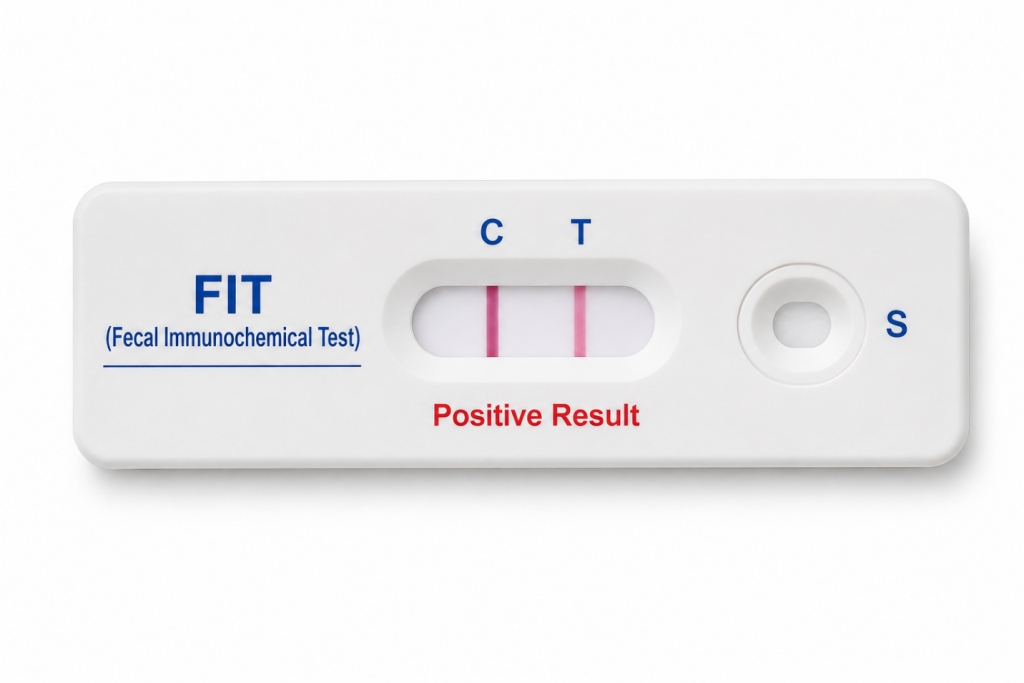
No, a positive FIT test simply means that blood has been detected in the stool. There are several possible causes, including polyps, haemorrhoids (link to haemorrhoids) and colorectal cancer. A colonoscopy is usually recommended to determine the source of the bleeding.
Why is colonoscopy important if I have no symptoms?
Many colorectal polyps and early cancers develop without causing noticeable symptoms. Colonoscopy allows doctors to detect and remove precancerous polyps or diagnose colorectal cancer at an earlier stage, when treatment is often more effective.
Can colorectal cancer be prevented?
While not every case can be prevented, regular screening plays an important role in reducing the risk. Colonoscopy can identify and remove certain precancerous polyps before they develop into colorectal cancer, making it both a screening and preventive procedure.
References
- National Cancer Institute. (2022, October 14). Cancer Staging. National Cancer Institute. https://www.cancer.gov/about-cancer/diagnosis-staging/staging
- Graham, J., Spiliopoulou, P., Arbuckle, R., Bridge, J. A., & Cassidy, J. (2017). A pilot study of subjective well-being in colorectal cancer patients and their caregivers. Patient-related outcome measures, 8, 111–119. https://doi.org/10.2147/PROM.S141815
- Rosen, R. D., & Sapra, A. (2023, February 13). TNM Classification. PubMed; StatPearls Publishing. https://www.ncbi.nlm.nih.gov/books/NBK553187/
- Pandurangan, A. K., Divya, T., Kumar, K., Dineshbabu, V., Velavan, B., & Sudhandiran, G. (2018). Colorectal carcinogenesis: Insights into the cell death and signal transduction pathways: A review. World journal of gastrointestinal oncology, 10(9), 244–259. https://doi.org/10.4251/wjgo.v10.i9.244
- Agatsuma, N., Utsumi, T., Nishikawa, Y., Horimatsu, T., Seta, T., Yamashita, Y., Tanaka, Y., Inoue, T., Nakanishi, Y., Shimizu, T., Ohno, M., Fukushima, A., Nakayama, T., & Seno, H. (2024). Stage at diagnosis of colorectal cancer through diagnostic route: Who should be screened?. World journal of gastroenterology, 30(10), 1368–1376. https://doi.org/10.3748/wjg.v30.i10.1368
- American Cancer Society. (2020, June 29). Colorectal Cancer Stages | Rectal Cancer Staging | Colon Cancer Staging. Www.cancer.org. https://www.cancer.org/cancer/types/colon-rectal-cancer/detection-diagnosis-staging/staged.html
- https://www.cancer.gov/publications/dictionaries/cancer-terms/def/tnm-staging-system. (2011, February 2). Www.cancer.gov. https://www.cancer.gov/publications/dictionaries/cancer-terms/def/tnm-staging-system
- Stages of Colon Cancer: Stages 1-4. (n.d.). Healthline. https://www.healthline.com/health/colorectal-cancer/stages-of-colon-cancer
- American Cancer Society. (2020, June 29). Colorectal Cancer Stages | Rectal Cancer Staging | Colon Cancer Staging. Www.cancer.org. https://www.cancer.org/cancer/types/colon-rectal-cancer/detection-diagnosis-staging/staged.html
- Colorectal cancer stage III – Basic Information – Overview of Information and Clinical Research. (2021). European Clinical Trials Information Network. https://clinicaltrials.eu/disease/colorectal-cancer-stage-iii/colorectal-cancer-stage-iii-basic-information/
- Rodriguez-Bigas, M. A., Lin, E. H., & Crane, C. H. (2003). Stage IV Colorectal Cancer. Holland-Frei Cancer Medicine. 6th Edition. https://www.ncbi.nlm.nih.gov/books/NBK13267/
- Hernandez Dominguez, O., Yilmaz, S., & Steele, S. R. (2023). Stage IV Colorectal Cancer Management and Treatment. Journal of clinical medicine, 12(5), 2072. https://doi.org/10.3390/jcm12052072
- Chang, J., Dornbush, C., Mott, S. L., Loeffler, B., Guyton, K., Hrabe, J., & Gribovskaja-Rupp, I. (2025). Survival in Stage IV Colorectal Cancer at Diagnosis. Surgical Oncology Insight, 100144–100144. https://doi.org/10.1016/j.soi.2025.100144