Is Colonoscopy Painful? Sedation, Risks & Recovery in Singapore 
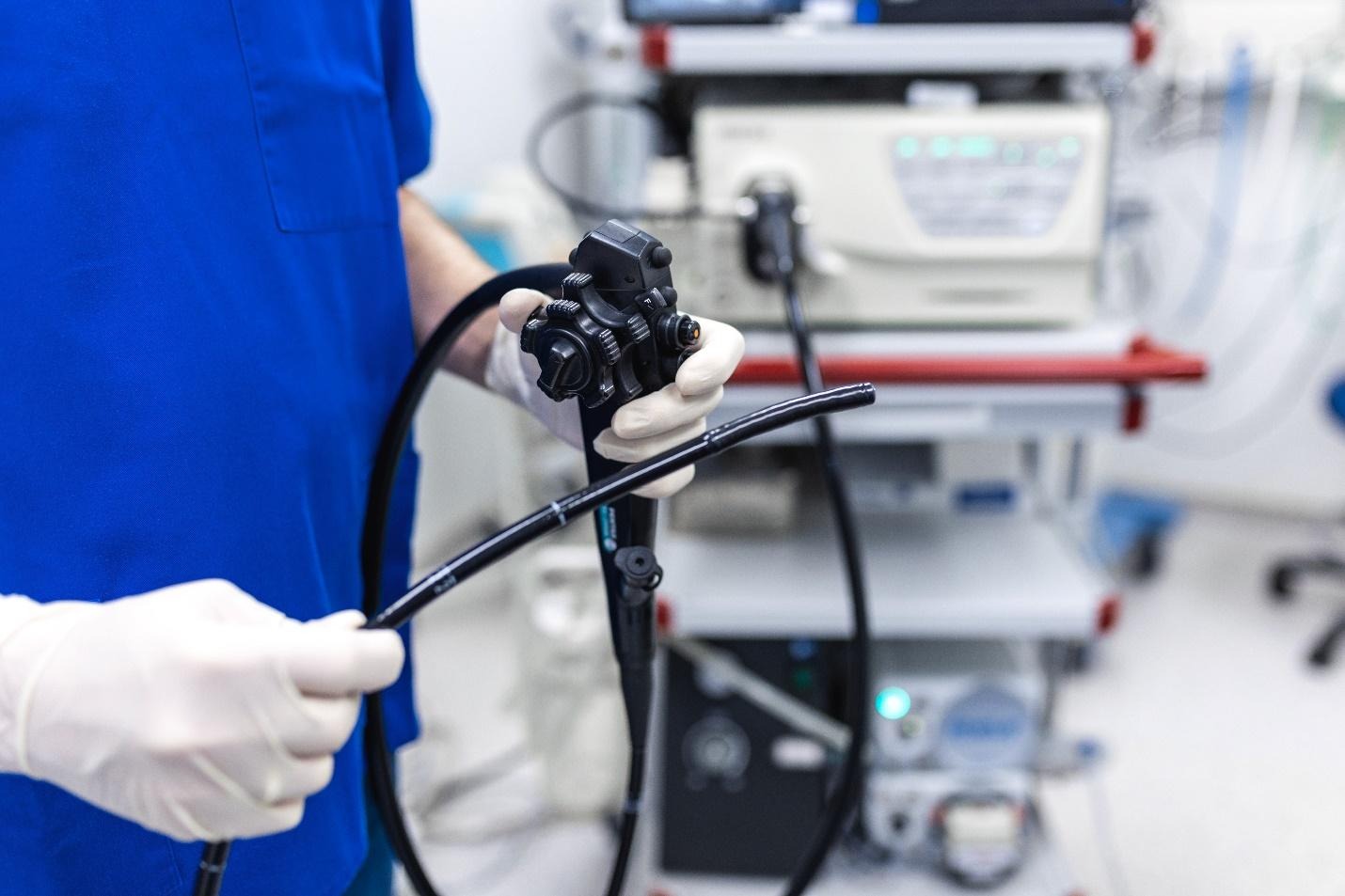
colonoscopy pain sedation and recovery Singapore.
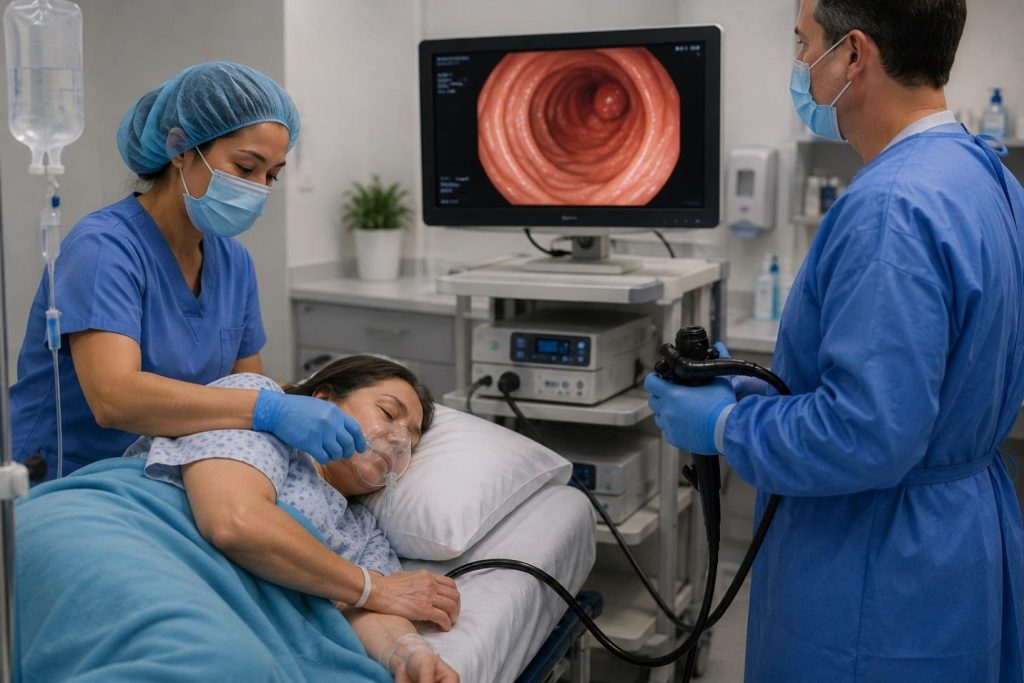
A colonoscopy may cause temporary pressure, cramping or bloating, but sedation can help make the procedure more comfortable for many patients.

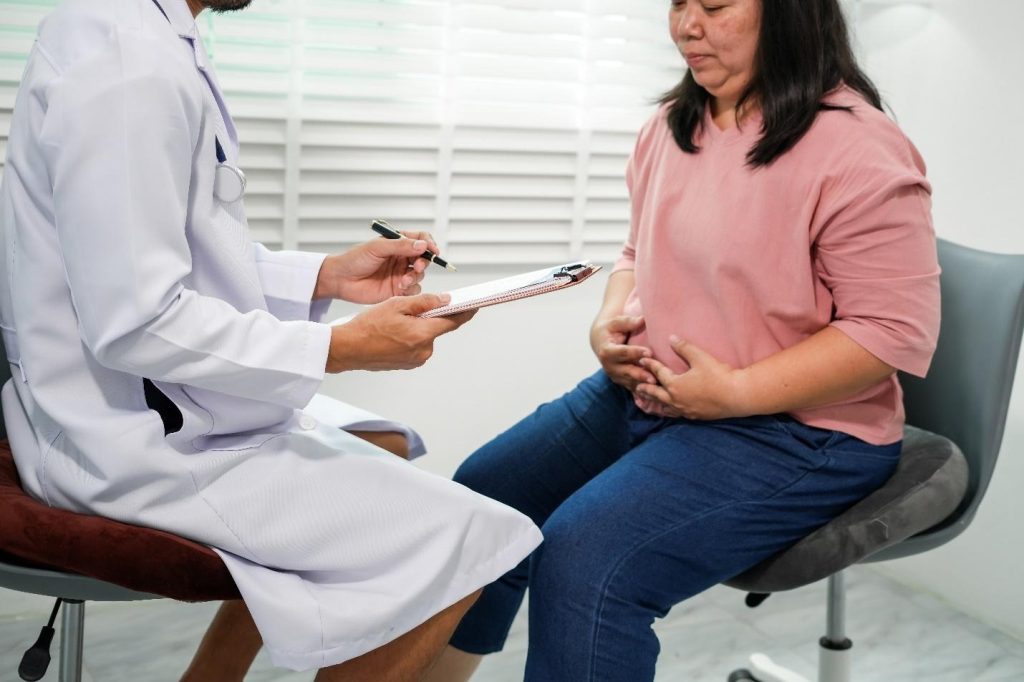
The thought of having a colonoscopy can make some people understandably nervous. You may be wondering whether the procedure will hurt, whether you will be awake or how you might feel afterwards.

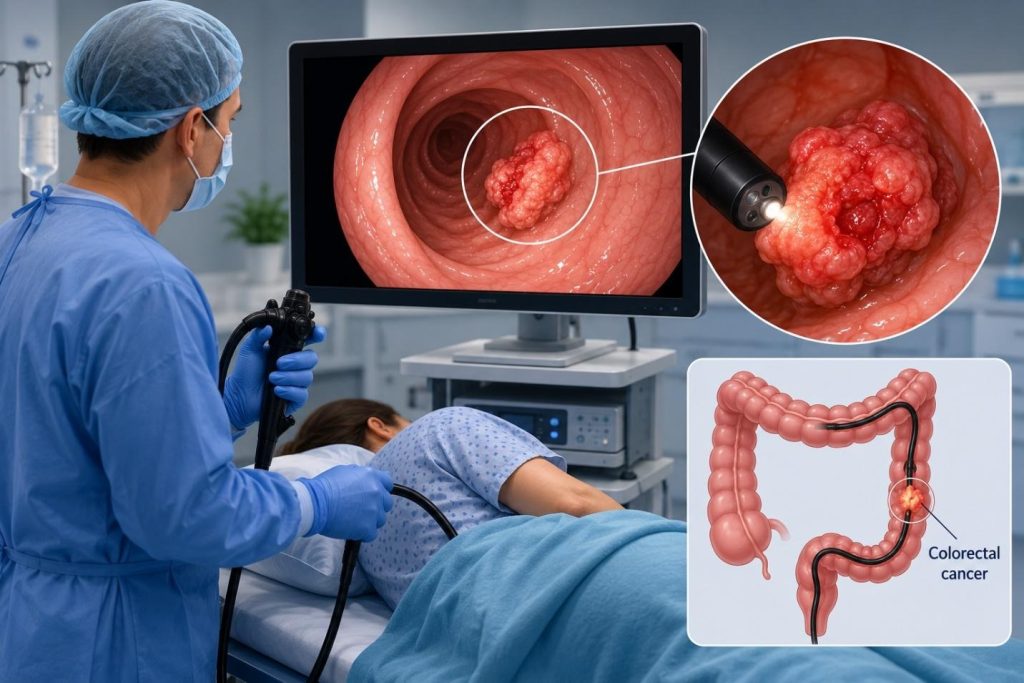
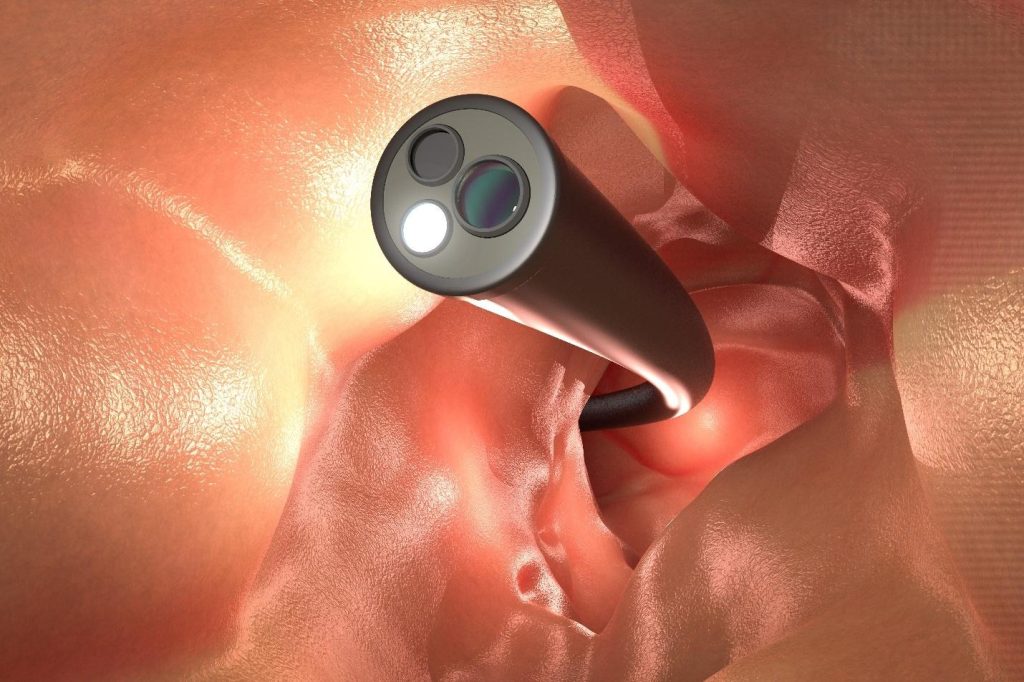
During a colonoscopy, a thin, flexible tube with a camera is passed through the anus and guided along the large intestine so that the lining of the bowel can be examined. The procedure should not normally be painful, although some people experience temporary pressure, bloating or cramping as the colonoscope moves through the bowel.

In this article, we explain what a colonoscopy may feel like, how sedation can improve comfort, what recovery involves and which symptoms should be assessed after the procedure.

Is a colonoscopy painful?

Many people do not experience pain during a colonoscopy, particularly when sedation is used. However, temporary discomfort can occur, and the experience varies from person to person.

During the examination, you may feel:

Sedation can help you feel more relaxed and less aware of these sensations, although it does not always remove them completely. If you become uncomfortable, the doctor can adjust the technique or take other appropriate measures to improve your comfort.

What types of sedation or anaesthesia may be used for a colonoscopy?

Sedation exists on a spectrum, ranging from mild relaxation to deep sleep. The appropriate level depends on your health, anxiety, preferences, the complexity of the examination and the arrangements at the endoscopy facility.

Type of sedationWhat you may experience
Minimal or light sedationYou remain awake and responsive but may feel calmer and more relaxed. You may still be aware of pressure, bloating or cramping.
Moderate sedationYou become drowsy and deeply relaxed but can usually respond to verbal instructions or gentle touch. You may have limited memory of the procedure.
Deep sedationYou are asleep or almost asleep and are unlikely to remember the examination. You are not easily awakened and require closer monitoring throughout the procedure.
General anaesthesiaYou are completely unconscious and your breathing may need to be supported. General anaesthesia is not routinely required for colonoscopy but may be considered in selected circumstances.

Some colonoscopies can also be performed without sedation. Your doctor will discuss the available options with you, taking into account what makes you feel most comfortable as well as what is medically appropriate for the planned procedure. Without sedation, you will remain fully awake and may feel pressure, bloating or cramping as the colonoscope moves through the bowel.

What happens before, during and after a colonoscopy?

Knowing what to expect at each stage can make the procedure feel less unfamiliar and help you prepare appropriately.

StageWhat to expect
Before the colonoscopyYou will be given instructions on adjusting your diet and taking bowel-preparation medication to clear the colon. Your doctor will also review your health, medications, allergies and previous reactions to sedation or anaesthesia. If sedation is planned, you will need to arrange for someone to accompany you home
During the colonoscopyYou will usually lie on your side while a flexible colonoscope is gently passed through the anus and guided through the large intestine. Air or carbon dioxide may be introduced to expand the bowel and improve visibility. The doctor will examine the bowel lining and may remove polyps or take tissue samples if required. Your vital signs will be monitored throughout the procedure when sedation is used.
After the colonoscopyYou will be monitored in a recovery area until you are sufficiently alert and medically ready to leave. Temporary bloating, increased gas or mild cramping can occur. Your doctor may explain the initial findings, while the results of any biopsies or removed polyps will usually be discussed at a later appointment. If you received sedation, someone will need to accompany you home.

Recovery after a colonoscopy

Most people recover relatively quickly after a colonoscopy. However, recovery from the examination itself and recovery from sedation may follow slightly different timelines.

After your colonoscopy:

Many people can return to their usual activities the following day. Your recovery may take slightly longer depending on the sedation used, how you feel afterwards and whether any additional procedures were performed.

What are the possible risks of a colonoscopy?

Colonoscopy is generally considered a safe procedure, but all medical procedures carry some risk. Your individual risk depends on factors such as your overall health, the sedation used and whether a biopsy or polyp removal is performed.

Common temporary effects

These generally improve as you recover:

Less common or rare complications

Possible complications include:

Dr Aaron Poh will explain the relevant risks and benefits before the procedure and answer any questions you may have.

When should you seek medical attention?

Mild bloating, gas and abdominal cramping can occur after a colonoscopy and should gradually improve. A small amount of rectal bleeding may also occur following a biopsy or polyp removal.

However, contact your doctor or endoscopy facility promptly if you experience:

Seek urgent medical attention if your symptoms are severe, you are passing a large amount of blood, you faint or you experience difficulty breathing. Bring your colonoscopy report with you if it is available.

Understanding what to expect from your colonoscopy

It is understandable to feel concerned about pain before undergoing a colonoscopy. Although the procedure may cause temporary pressure, bloating or cramping, sedation can help reduce anxiety, awareness and discomfort for many patients.

Most people recover relatively quickly, although the effects of sedation may continue after they feel awake. Following your aftercare instructions, arranging for someone to accompany you home and knowing which warning signs to monitor can support a safer recovery.

At Alpine Surgical Practice, Dr Aaron Poh provides colonoscopy services for patients who require investigation of colorectal symptoms or abnormalities in Singapore. If you have been advised to undergo a colonoscopy, a consultation can help you understand why it has been recommended, whether sedation may be appropriate and what to expect before, during and after the examination.

Frequently Asked Questions

You can discuss sedation with your doctor before the procedure. Whether it is appropriate and which level may be used depend on your medical history, individual risk factors and the arrangements at the endoscopy facility.

This depends on the depth of sedation used. With lighter or moderate sedation, you may remain responsive but feel relaxed and drowsy. With deep sedation, you may be asleep or have little awareness or memory of the examination.

Some colonoscopies can be performed without sedation. Whether this is suitable will be discussed with your doctor based on your preferences, medical condition and the planned procedure. You will remain awake and may feel pressure, bloating or cramping during the examination.

The examination commonly takes approximately 30 to 45 minutes, although it may take longer if polyps need to be removed or other procedures are performed. Your total time at the facility will be longer because of registration, assessment, sedation and recovery.

You may feel awake shortly after the examination, but sedation can continue to affect your judgement, coordination and reaction time for several hours. Follow the precautions given by your doctor or endoscopy facility for the first 24 hours.

You should not drive after receiving sedation. Arrange for a responsible adult to accompany you home and follow the facility’s instructions about when you may resume driving.

Most patients can resume eating and drinking once they have recovered sufficiently. You may prefer to begin with a light meal. Follow any specific dietary instructions provided if a biopsy was taken or a polyp was removed.

A small amount of rectal bleeding may occur after a biopsy or polyp removal. Heavy, persistent or increasing bleeding, passing blood clots, black stools, dizziness or fainting requires prompt medical attention.

Many people can return to work and their usual activities the following day if they feel well. You may need more time if you remain drowsy, experience discomfort or underwent a biopsy or polyp removal.

A colonoscopy can be performed in older adults when medically appropriate. The doctor will consider the person’s general health, medications, existing medical conditions, sedation risk and the expected benefit of the examination.

Tell your doctor about your concerns before the colonoscopy. Understanding what will happen and discussing available sedation or comfort measures can make the procedure feel more manageable.
Stages of Colorectal Cancer Explained: Stage 0 to Stage 4

Common Colonoscopy Myths Debunked: What You Really Need to Know

common colonoscopy myths in Singapore.
Misconceptions about colonoscopy often discourage people from undergoing an important screening test that can detect problems early.

Colonoscopy is widely recognised as one of the most effective tools for detecting colorectal cancer and identifying colon polyps before they become cancerous. Despite its proven role in screening and prevention, many people remain hesitant to undergo the procedure.

Some worry that it will be painful. Others assume it is only necessary when symptoms appear. There are also concerns about safety, bowel preparation and the risks involved. Unfortunately, these misunderstandings can delay important screening and prevent people from getting the timely care they need.

In this article, Dr Aaron Poh breaks down some of the most common myths and shares what you need to know before making a decision.

Myth #1: Colonoscopy is only necessary if you have symptoms

colorectal cancer screening without symptoms Singapore.
Screening can detect colon polyps and colorectal cancer before symptoms develop, allowing earlier intervention.

One of the most common misconceptions about colorectal cancer is that screening is only necessary once symptoms appear. In reality, waiting for symptoms is often waiting too long.

Most colon polyps develop silently. They rarely cause changes in bowel habits, abdominal discomfort, or rectal bleeding in their early stages. The same applies to early colorectal cancer: by the time symptoms do appear, such as persistent bloating, blood in the stool, or unexplained weight loss, the disease has often already progressed to a more advanced stage, where treatment becomes more complex and outcomes less predictable.

Many patients diagnosed through screening report feeling completely well before their colonoscopy [1]. This is not coincidence; it reflects how quietly colorectal cancer can develop. A colonoscopy identifies abnormalities at a stage when polyps can still be removed before they turn cancerous, or when early-stage cancer is far more treatable.

Myth #2: A colonoscopy is extremely painful

does colonoscopy hurt Singapore.
Modern colonoscopy is typically performed with sedation to help ensure patient comfort throughout the procedure.

Fear of pain is one of the biggest reasons people postpone a colonoscopy.

While it is understandable to feel apprehensive, most colonoscopies in Singapore are performed under moderate sedation. Patients are typically in a relaxed state with no recollection of the scope process. Discomfort is dulled and awareness is minimal to none. Most report feeling comfortable throughout the procedure [2] and remember very little of it afterwards. Your comfort is important, and this is something that can be discussed with your doctor beforehand.

Some individuals may experience mild bloating or temporary abdominal discomfort after the examination, but significant pain is uncommon. In fact, many patients find that the bowel preparation beforehand is more inconvenient than the procedure itself.

Knowing what to expect can help reduce anxiety and make the experience feel far less daunting than many people anticipate.

Myth #3: The risks of colonoscopy outweigh the benefits 

colonoscopy safety and benefits Singapore.
Colonoscopy remains one of the most effective methods for detecting and preventing colorectal cancer.

Every medical procedure carries some degree of risk, and it is natural to weigh these before going ahead. However, many people overestimate the risks of colonoscopy while underestimating the danger of leaving colorectal disease undetected.

Colonoscopy is considered a safe and routinely performed procedure [3]. Serious complications such as bleeding or perforation are uncommon, particularly when performed by an experienced colorectal surgeon. The risks of major complications, in particular colonic perforation is only 1-2 in 10,000 scopes which works out to a complication rate of 0.01-0.02% 

The benefits, on the other hand, are substantial. A colonoscopy can identify and remove polyps before they turn cancerous, and detect colorectal cancer at an earlier stage when treatment is more straightforward and outcomes are generally better.

For most patients, the risks of the procedure are small and manageable. The risk of missing an early cancer by not screening is far greater.

Myth #4: Colonoscopy is only for older adults

colonoscopy age recommendations Singapore.
Screening recommendations are based on individual risk factors and not solely on age.

Many people associate colorectal cancer screening exclusively with older age groups. While age remains an important risk factor, screening recommendations have evolved as colorectal cancer is increasingly being diagnosed in younger adults [4].

Those with a family history of colorectal cancer, certain genetic conditions, inflammatory bowel disease (link to IBD) or other risk factors may need to start screening earlier than the general population. Even for those without additional risk factors, age-based screening guidelines exist because the risk of colorectal abnormalities naturally increases over time.

Here’s a good rule of thumb, as advised by Dr Aaron Poh:

Most people are recommended to go for a colonoscopy at 50 years old for preventive screening. Colonoscopies should then be done every five years.

On the other hand, colonoscopies are recommended in your late 30s or early 40s if you have:

  • A first-degree relative (parents or siblings) with colorectal cancer
  • A family history of colorectal cancer syndromes like familial adenomatous polyposis or HNPCC
  • A diagnosis of inflammatory bowel disease (IBD).
  • A personal history of having certain cancers or polyps.

Ultimately, the right time to start screening is not a one-size-fits-all answer. It is worth having a conversation with your doctor to understand when screening makes sense for you, based on your personal and family history.

Myth #5: A FIT Test is enough to detect colorectal cancer

positive FIT test colonoscopy follow up Singapore.
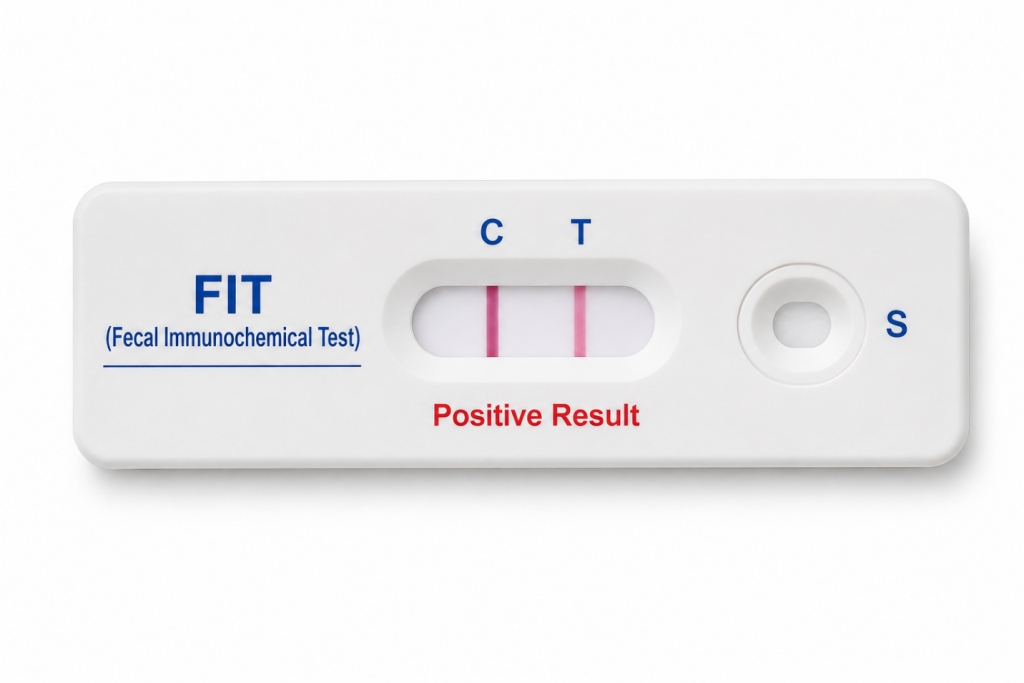
A positive FIT result requires further evaluation because stool testing cannot identify the source of bleeding.

The Faecal Immunochemical Test (FIT) is a convenient and non-invasive screening option, and it plays a valuable role in colorectal cancer screening programmes. However, it has important limitations that are worth understanding.

FIT detects the presence of blood in the stool, which can be a sign of colorectal abnormalities. But bleeding can be intermittent, meaning a FIT test may return a normal result even when a polyp or early cancer is present. It also cannot identify the source or cause of any bleeding detected. 

Dr Aaron comments, “a general rule of thumb is the ‘⅓ rule’. The FIT test can miss up to ⅓ of colorectal cancers and pick up only ⅓ of advanced pre-cancerous polyps.”

A positive FIT result should always be followed up with a colonoscopy, which allows doctors to directly visualise and assess the source of bleeding [5]. A negative result, while reassuring, does not entirely rule out colorectal disease.

FIT is a helpful starting point, but colonoscopy remains the gold standard for diagnosis and prevention.

Myth #6: If something was wrong, I would know

It is a very human instinct to trust how your body feels. If nothing seems wrong, it is easy to assume that nothing is wrong. Unfortunately, when it comes to colorectal cancer, this instinct can be misleading.

As we touched on earlier in this article, most colonic polyps develop without any symptoms at all. Early colorectal cancer is much the same. There may be no pain, no changes in bowel habits, no bleeding and no warning signs that anything is amiss. By the time symptoms do appear, the disease has often already progressed to a more advanced stage.

This is precisely what makes colonoscopy so valuable as a screening tool. It does not wait for your body to signal a problem. It looks for one before that signal ever comes.

Feeling well is not the same as being well. Regular screening is the only reliable way to know.

Myth #7: Colorectal cancer is a death sentence

colorectal cancer screening Singapore.
When detected early, colorectal cancer is highly treatable and survival rates are significantly better. ALT-text: colorectal cancer survival rate Singapore.

A colorectal cancer diagnosis can feel overwhelming, and it is understandable that many people associate it with the worst possible outcome. However, this fear, while natural, does not reflect the full picture.

Colorectal cancer is one of the most treatable cancers when caught early. Survival rates for early-stage colorectal cancer are significantly higher than for cancers detected at a later stage. The challenge is that early-stage colorectal cancer often produces no symptoms, which is why screening plays such a critical role.

For patients diagnosed at a localised stage, before the cancer has spread beyond the bowel, treatment outcomes are generally very good. Even for more advanced cases, advances in surgical techniques and oncological care have meaningfully improved what is possible.

This is why early screening matters so much. The earlier colorectal cancer is detected, the better the chances of a full recovery. What makes colonoscopy particularly powerful is that it is not just a diagnostic tool. If polyps are found during the procedure, they can often be removed on the spot, before they ever have the chance to become cancerous. In this sense, colorectal cancer is one of the few cancers that can be actively prevented, not just detected.

A diagnosis is not a foregone conclusion. What matters most is when it is found, and that is something screening can directly influence.

Colonoscopy with a Colorectal Specialist in Singapore 

Understanding the facts about colonoscopy can help individuals make informed decisions about colorectal cancer screening.

Fear, misinformation and misconceptions are some of the most common reasons people delay colorectal cancer screening. But as we have seen, many of the concerns surrounding colonoscopy are based on myths rather than fact.

The procedure is safe, especially when performed by an experienced colorectal specialist, and far less daunting than most people expect. Colorectal cancer often develops without any warning signs, and by the time symptoms appear, the disease may already be at a more advanced stage. A colonoscopy screening gives you the opportunity to get ahead of that, and in many cases, it can prevent cancer from developing at all by removing polyps before they turn cancerous.

Early detection saves lives, and the earlier colorectal cancer is found, the more treatment options are available and the better the outcomes tend to be. To find out more or to arrange a consultation, please contact us.

Frequently Asked Questions

The recommended age depends on your personal risk factors, family history and current screening guidelines. Some individuals may require screening earlier than others.

A positive FIT result is usually followed by a colonoscopy because the stool test cannot determine the source of bleeding. Colonoscopy allows doctors to examine the colon directly and identify the cause.

The procedure itself typically takes between 20 and 45 minutes, although this can vary depending on the findings and whether polyps need to be removed.

While bowel preparation can be inconvenient, many patients find it more manageable than expected. Proper preparation is important because it helps ensure an accurate examination.

Yes, many polyps can be removed during the same procedure, reducing the risk of them developing into colorectal cancer in the future.

The recommended interval depends on your age, risk factors and previous colonoscopy findings. Our doctor will advise an appropriate follow-up schedule.

Yes, early colorectal cancer and colon polyps often do not cause symptoms, which is why screening plays an important role in early detection.

Yes, colonoscopy is commonly performed with sedation in Singapore to help ensure patient comfort and minimise discomfort during the procedure.

Colonoscopy Cost in Singapore (2026): MediSave, Insurance & Out-of-Pocket Fees Explained

colonoscopy cost Singapore Medisave insurance fees guide.
Understanding colonoscopy costs in Singapore helps patients plan with greater clarity and confidence.

When a colonoscopy or gastroscopy is recommended, one of the first questions that comes to mind is often about cost. It is a practical concern and a very valid one. This is especially relevant following recent changes to healthcare financing policies [1], which have prompted many patients to take a closer look at potential out-of-pocket costs. At the same time, understanding how these procedures are priced and how MediSave or insurance may apply can make the decision feel much more manageable. 

This guide walks you through what typically influences the cost of a scope, how financial support schemes work and what you might realistically expect to pay out of pocket.

What affects colonoscopy cost in Singapore?

The cost of a colonoscopy is not a fixed number. Several factors influence the final bill, and understanding these can help you plan ahead.

Because of these variables, most providers present colonoscopy costs as a range rather than a single figure. A personalised estimate is best discussed during consultation.

How MediSave & insurance help reduce costs

MediSave claim colonoscopy Singapore.
MediSave can significantly reduce the cost of colonoscopy and gastroscopy when medically indicated.

Colonoscopy and gastroscopy are considered day-surgery procedures in Singapore. This means they are generally MediSave-claimable when they are medically indicated and meet the Ministry of Health’s withdrawal criteria [2].

Integrated Shield Plans and certain private insurance policies may also provide additional coverage, particularly when the procedure is performed to investigate symptoms such as rectal bleeding, abdominal pain or a change in bowel habits, or when there is a clinical indication such as a family history of colorectal cancer. Coverage varies between insurers and policies, so patients are encouraged to check with their provider ahead of the procedure.

At Alpine Surgical Practice, financial counselling is part of the care process. We help patients understand their MediSave and insurance options clearly before proceeding, so there are no surprises after the procedure.

Typical costs, MediSave claims & out-of-pocket amounts 

So, how much does a colonoscopy cost in Singapore? In 2026, the answer depends on several factors, but most patients fall within the ranges outlined below. 

ProcedureTypical Cost (Public Subsidised)Typical Cost (Private)MediSave Claim (Up to, Upon Approval)Estimated Out-of-Pocket (Private)
Colonoscopy$848 – $1,740$2,210 – $2,860$1,950 – $2,220~$260 – $640
OGD (Gastroscopy)$770 – $1,261$1,800 – $2,460$1,250 – $1,950~$510 – $550
Double Scope (Colonoscopy + OGD)Varies$3,000 – $3,850$2,370 – $3,340~$510 – $630

These figures are inclusive of GST. Actual costs may differ based on factors such as procedural complexity, whether polyps are removed and any additional consumables or medications used.

MediSave claimability is subject to MOH day-surgery rules and withdrawal caps [3] and applies when the procedure is medically indicated.

Typical out-of-pocket cost for colonoscopy and gastroscopy 

After applying MediSave and, where relevant, insurance, many patients find that their out-of-pocket costs are lower than expected.

In general, patients may pay somewhere in the range of approximately $700 to $1,500, depending on the setting and complexity of the procedure. In simpler cases, the amount can be even lower. Understanding this range often helps ease some of the hesitation around proceeding with a recommended scope.

Is a scope worth the cost? Prevention and peace of mind

colonoscopy polyp detection colorectal cancer screening Singapore.
Colonoscopy helps detect and remove polyps early, reducing the risk of colorectal cancer.

Now that the cost is covered, it is easier to look at the bigger picture. Colonoscopy and gastroscopy are often regarded as diagnostic tools. This is particularly important as colorectal cancer remains one of the most common cancers in Singapore [4], making timely screening a key part of early detection and prevention.

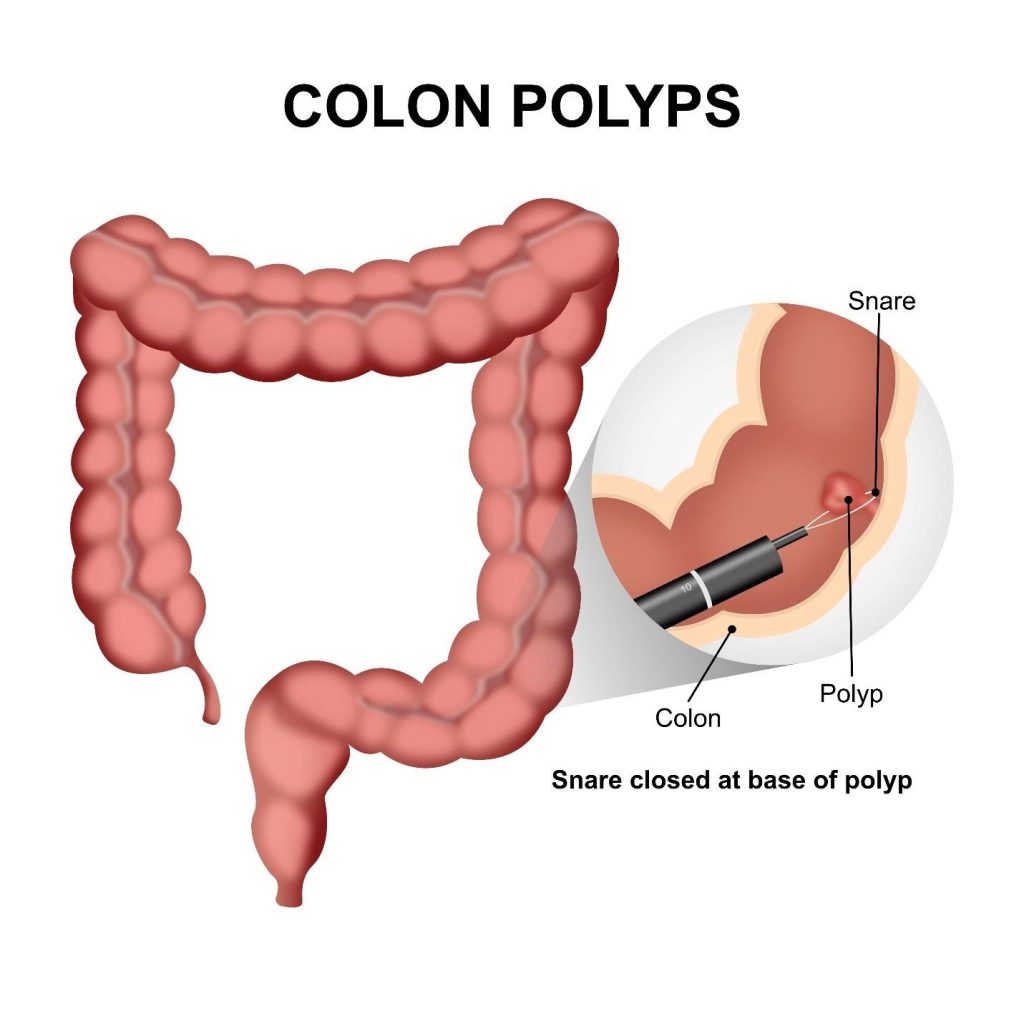
But they are also preventative procedures that allow your doctor to detect issues early, sometimes even before symptoms develop. In the case of colonoscopy, this includes identifying and removing polyps [5] that could otherwise develop into colorectal cancer.

Early detection often leads to simpler treatment [6] and can help avoid more complex and costly interventions later on. For many patients, these procedures are done once every four to five years, making them an occasional but important investment in long-term health.

Equally important is the reassurance that comes from knowing what is happening inside your digestive system. That clarity can be valuable, especially for those experiencing symptoms or with a family history of gastrointestinal conditions.

Insurance considerations – when you may not need to use it

As you weigh your options, it is also worth considering how insurance fits into the picture.

Not all patients choose to use private insurance for routine scopes. Some prefer to pay using MediSave and cash, keeping their insurance coverage for larger or unexpected medical events. This approach can help preserve policy claim limits and any no-claim benefits that may apply, depending on the plan.

Of course, each policy is different, so it is always advisable to review your coverage details or check with your insurer before making a decision.

Why waiting times matter

public vs private colonoscopy waiting time Singapore comparison.
Choosing between public and private care often comes down to waiting time and accessibility.

Beyond cost, timing can also play an important role in decision-making. In public institutions, waiting times for non-urgent scopes can be longer. While this may be suitable for some patients, others may prefer earlier access for peace of mind or to address ongoing symptoms more promptly.

Choosing a private setting can help reduce waiting time, allowing for faster diagnosis and, if needed, timely treatment. For many patients, this added convenience is part of the overall value they consider.

Alpine Surgical Practice’s insurance partners

We work with a range of insurance partners to support patients through their care journey. If you are unsure whether your procedure is covered or how to navigate MediSave and insurance claims, the clinic team can provide guidance tailored to your situation.

Local Integrated Shield Plan & Private Insurers

  • AIA 
  • AXA 
  • Great Eastern 
  • NTUC Income 
  • Prudential 
  • Raffles Health Insurance 
  • Singlife with Aviva 

International Insurance Providers

  • BUPA 
  • Cigna 
  • Allianz 
  • Aetna 

Corporate & Third-Party Administrators (TPAs)

  • Fullerton Health 
  • Parkway Shenton 
  • IHP (Integrated Health Plans) 
  • MHC Asia 
  • Alliance Healthcare 
  • Healthway Medical 

These partnerships help facilitate processes such as Letters of Guarantee, pre-authorisation and claims submission, making the financial journey more straightforward for patients.

If you are unsure about your eligibility, how much you can claim or whether to use MediSave, insurance, or both, you are not expected to figure it out alone. 

For more information on insurance advisor partners and billing at Alpine Surgical Practice, read here.

The clinic team can walk you through your options clearly, so you know what to expect before proceeding. With the right guidance in place, the entire experience tends to feel more seamless, allowing you to focus on your care with greater peace of mind.

Taking the next step

colonoscopy consultation Singapore.
A personalised consultation helps clarify costs, coverage and the most suitable care plan.

If you have been advised to undergo a colonoscopy or gastroscopy, requesting a personalised cost estimate can help you better understand what to expect based on your specific condition and needs. Our clinic team would also be happy to discuss your MediSave and insurance eligibility, so you have a clear picture of the financial aspects before proceeding.

With the right information and guidance, the process becomes more straightforward, allowing you to focus on what matters most.

Frequently Asked Questions

Yes, MediSave can be used for a colonoscopy when the procedure is medically indicated and meets the Ministry of Health’s day-surgery criteria.

Colonoscopy is classified as a day surgery, which means patients can typically use MediSave to offset a portion of the cost, subject to withdrawal limits and approval. The amount claimable depends on the complexity of the procedure, such as whether biopsies or polyp removal are performed.

In many cases, MediSave significantly reduces the out-of-pocket cost, making the procedure more affordable than expected. Patients are usually advised to check their MediSave balance in advance and confirm eligibility with their clinic before the procedure.

Colonoscopy may be covered by private insurance, depending on your policy and whether the procedure is medically necessary. Many Integrated Shield Plans and corporate insurance plans provide coverage for diagnostic scopes, especially when they are recommended by a doctor. Coverage typically requires pre-authorisation or a Letter of Guarantee and may be subject to deductibles, co-payment or panel requirements.

However, insurance is not always necessary for a routine colonoscopy. Some patients choose to use MediSave and pay the remaining amount out of pocket, especially for lower-cost cases. It is advisable to review your policy details or speak with your clinic team to understand what is covered before proceeding.

The most affordable way to get a colonoscopy is usually through a subsidised public healthcare institution, where costs can range from about $848 to $1,740. These rates are lower due to government subsidies but may involve longer waiting times.

In private settings, the upfront cost is higher, but MediSave can be used to offset a significant portion, often reducing out-of-pocket expenses to a few hundred dollars in simpler cases. The “cheapest” option depends on your priorities. Some patients choose public care for lower cost, while others opt for private care for faster access and convenience. Understanding both cost and waiting time helps patients decide what works best for their situation.

In Singapore, colonoscopy generally costs slightly more than gastroscopy due to differences in procedure complexity and duration.

A colonoscopy in a private setting typically ranges from $2,210 to $2,860, while a gastroscopy (OGD) usually costs between $1,800 and $2,460. When MediSave is applied, out-of-pocket costs for both procedures are often reduced significantly.

For patients requiring both procedures, a combined “double scope” may cost around $3,000 to $3,850, with MediSave helping to offset a large portion of the total. The final cost depends on factors such as whether biopsies or treatments are performed, as well as the facility and level of sedation used.

References

  1. NEW REQUIREMENTS for INTEGRATED SHIELD PLAN RIDERS to STRENGTHEN SUSTAINABILITY of PRIVATE HEALTH INSURANCE and ADDRESS RISING HEALTHCARE COSTS.” Ministry of Health, 2025, www.moh.gov.sg/newsroom/new-requirements-for-integrated-shield-plan-riders-to-strengthen-sustainability-of-private-health-insurance-and-address-rising-healthcare-costs/
  2. MediSave.” Ministry of Health, 2024, www.moh.gov.sg/managing-expenses/schemes-and-subsidies/medisave/
  3. Hospital Bills and Fee Benchmarks.” Ministry of Health, 2025, www.moh.gov.sg/managing-expenses/bills-and-fee-benchmarks/hospital-bills-and-fee-benchmarks/
  4. Chan, P. W., Ngu, J. H., Poh, Z., & Soetikno, R. (2017). Colorectal cancer screening. Singapore medical journal, 58(1), 24–28. https://doi.org/10.11622/smedj.2017004
  5. Polychronidis, G., He, M. M., Vithayathil, M., Knudsen, M. D., Wang, K., & Song, M. (2024). Risk of colorectal neoplasia after removal of conventional adenomas and serrated polyps: a comprehensive evaluation of risk factors and surveillance use. Gut, 73(10), 1675–1683. https://doi.org/10.1136/gutjnl-2023-331729
  6. Zauber, Ann G., et al. “Colonoscopic Polypectomy and Long-Term Prevention of Colorectal-Cancer Deaths.” New England Journal of Medicine, vol. 366, no. 8, 23 Feb. 2012, pp. 687–696, www.ncbi.nlm.nih.gov/pmc/articles/PMC3322371/, https://doi.org/10.1056/nejmoa1100370