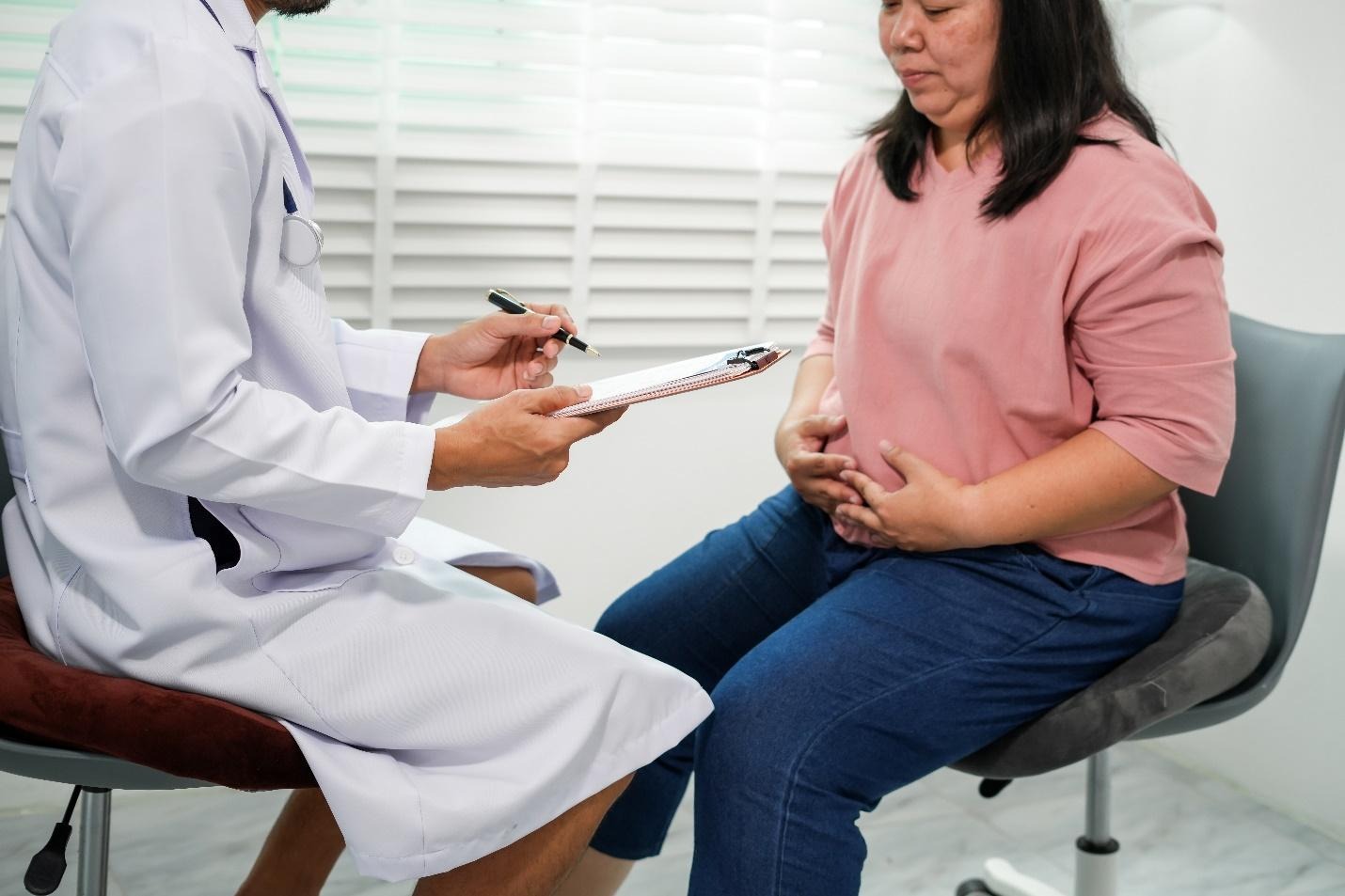
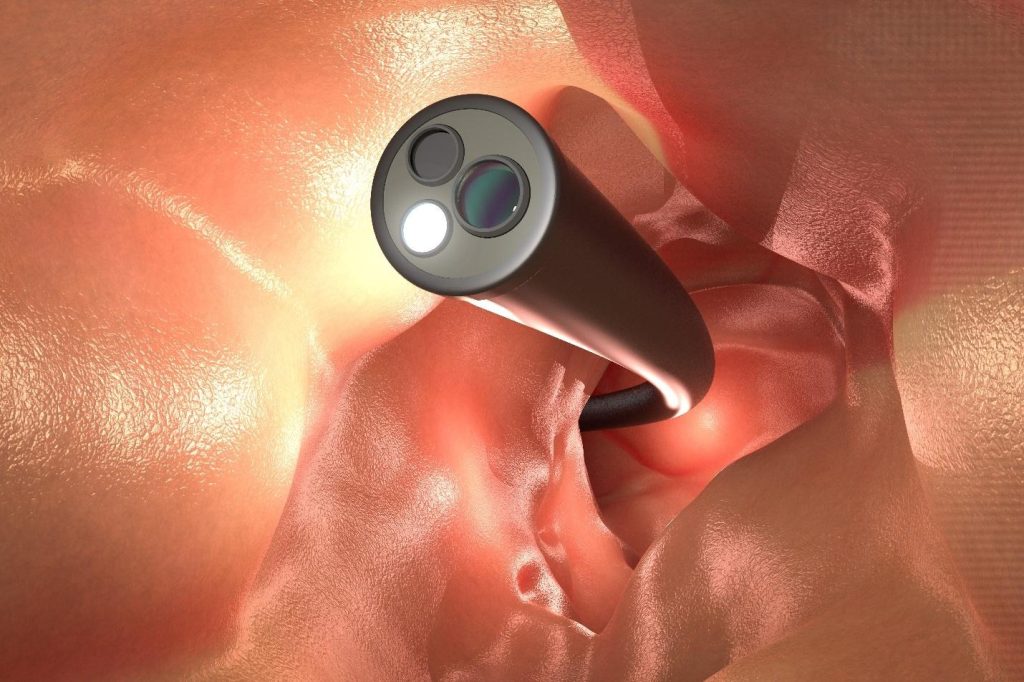
Colonoscopy is widely recognised as one of the most effective tools for detecting colorectal cancer and identifying colon polyps before they become cancerous. Despite its proven role in screening and prevention, many people remain hesitant to undergo the procedure.
Some worry that it will be painful. Others assume it is only necessary when symptoms appear. There are also concerns about safety, bowel preparation and the risks involved. Unfortunately, these misunderstandings can delay important screening and prevent people from getting the timely care they need.
In this article, Dr Aaron Poh breaks down some of the most common myths and shares what you need to know before making a decision.
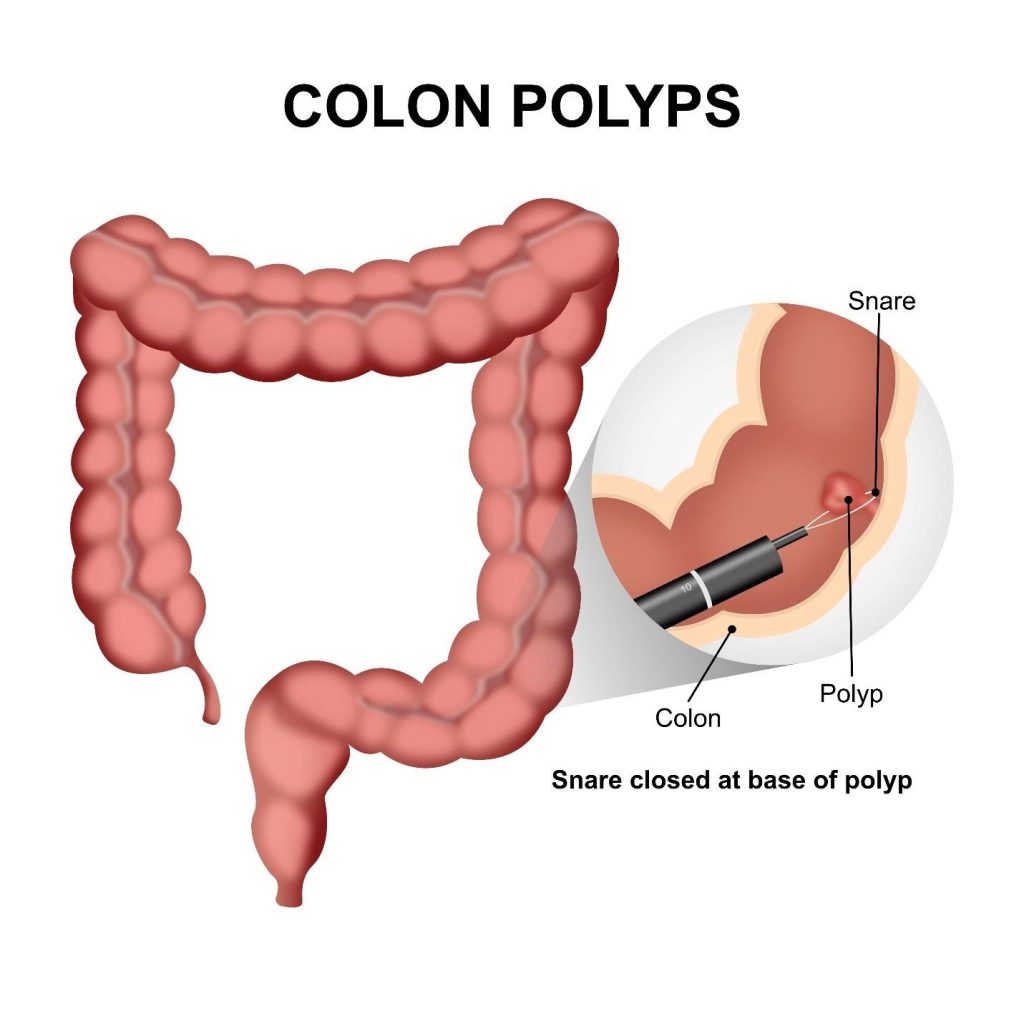
One of the most common misconceptions about colorectal cancer is that screening is only necessary once symptoms appear. In reality, waiting for symptoms is often waiting too long.
Most colon polyps develop silently. They rarely cause changes in bowel habits, abdominal discomfort, or rectal bleeding in their early stages. The same applies to early colorectal cancer: by the time symptoms do appear, such as persistent bloating, blood in the stool, or unexplained weight loss, the disease has often already progressed to a more advanced stage, where treatment becomes more complex and outcomes less predictable.
Many patients diagnosed through screening report feeling completely well before their colonoscopy [1]. This is not coincidence; it reflects how quietly colorectal cancer can develop. A colonoscopy identifies abnormalities at a stage when polyps can still be removed before they turn cancerous, or when early-stage cancer is far more treatable.
Fear of pain is one of the biggest reasons people postpone a colonoscopy.
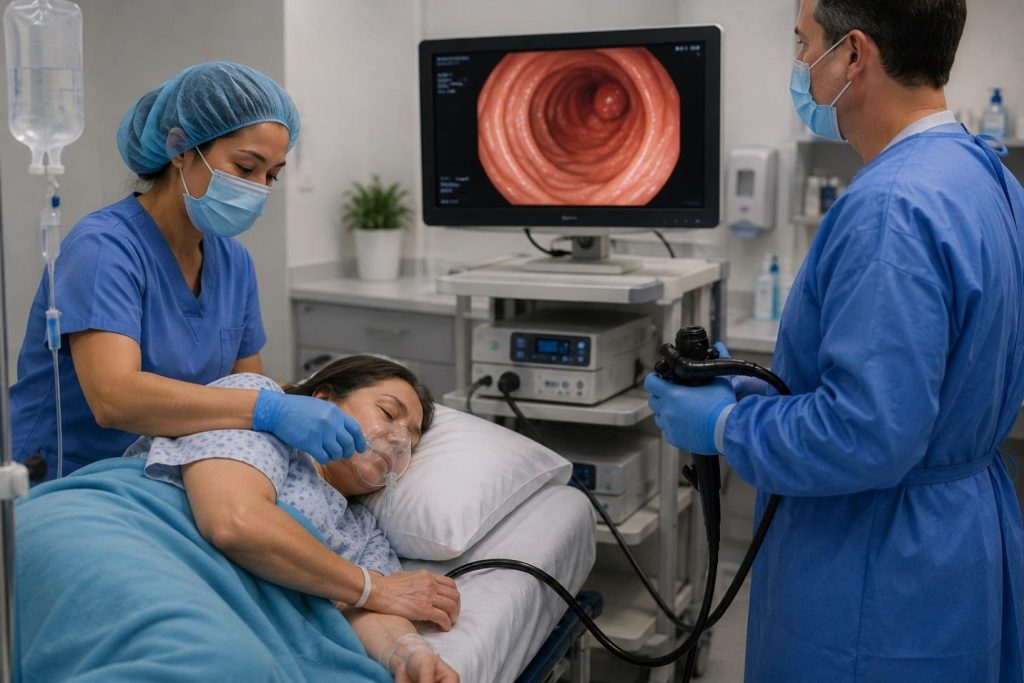
While it is understandable to feel apprehensive, most colonoscopies in Singapore are performed under moderate sedation. Patients are typically in a relaxed state with no recollection of the scope process. Discomfort is dulled and awareness is minimal to none. Most report feeling comfortable throughout the procedure [2] and remember very little of it afterwards. Your comfort is important, and this is something that can be discussed with your doctor beforehand.
Some individuals may experience mild bloating or temporary abdominal discomfort after the examination, but significant pain is uncommon. In fact, many patients find that the bowel preparation beforehand is more inconvenient than the procedure itself.
Knowing what to expect can help reduce anxiety and make the experience feel far less daunting than many people anticipate.
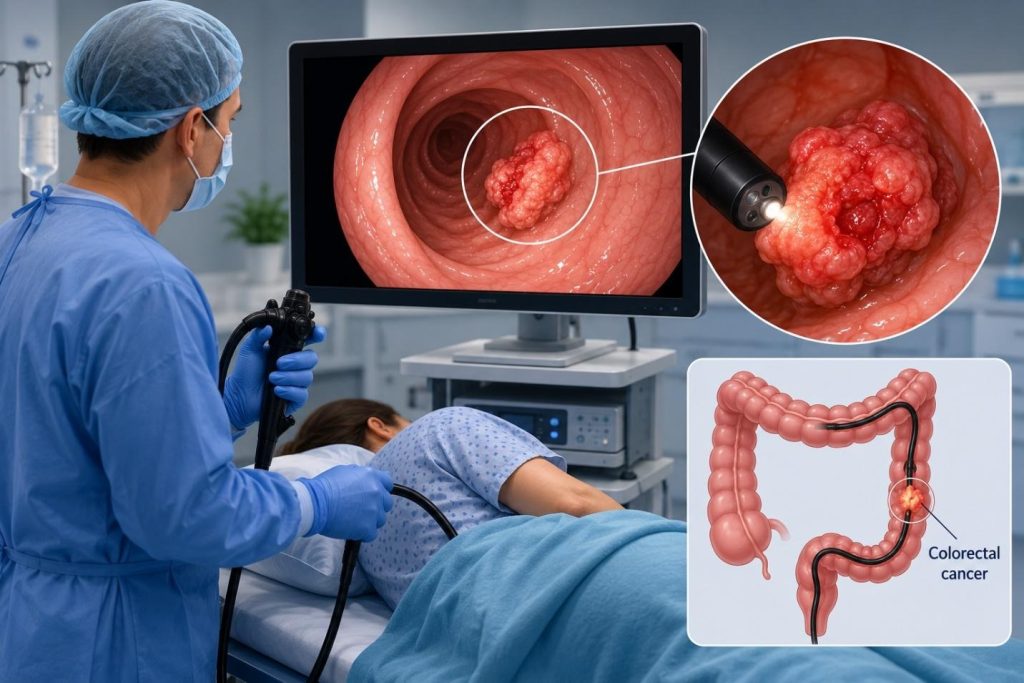
Every medical procedure carries some degree of risk, and it is natural to weigh these before going ahead. However, many people overestimate the risks of colonoscopy while underestimating the danger of leaving colorectal disease undetected.
Colonoscopy is considered a safe and routinely performed procedure [3]. Serious complications such as bleeding or perforation are uncommon, particularly when performed by an experienced colorectal surgeon. The risks of major complications, in particular colonic perforation is only 1-2 in 10,000 scopes which works out to a complication rate of 0.01-0.02%
The benefits, on the other hand, are substantial. A colonoscopy can identify and remove polyps before they turn cancerous, and detect colorectal cancer at an earlier stage when treatment is more straightforward and outcomes are generally better.
For most patients, the risks of the procedure are small and manageable. The risk of missing an early cancer by not screening is far greater.
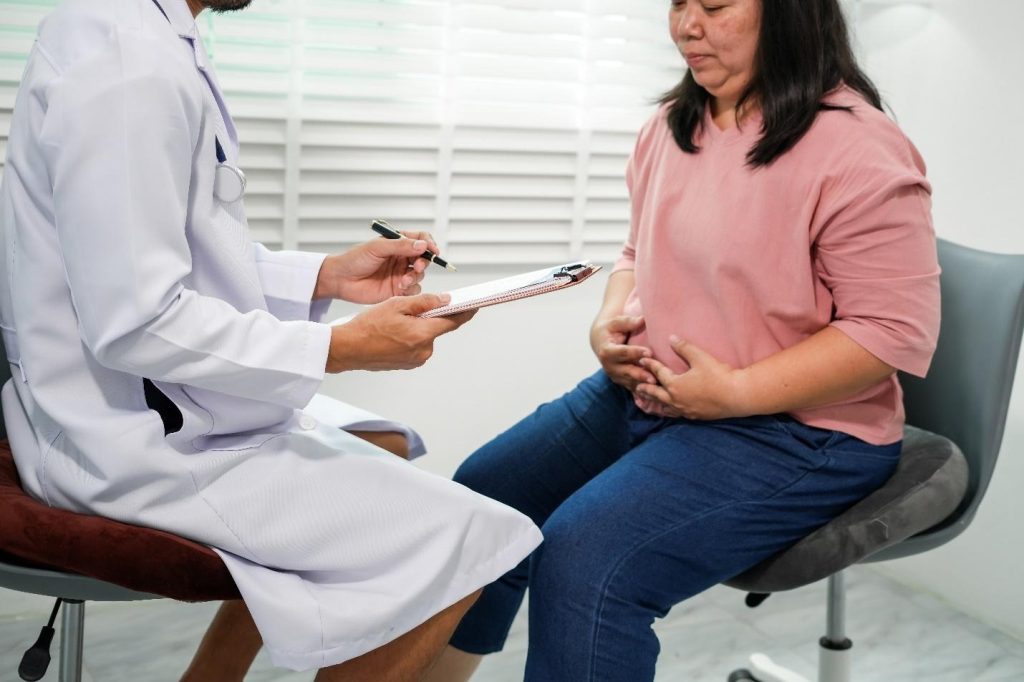
Many people associate colorectal cancer screening exclusively with older age groups. While age remains an important risk factor, screening recommendations have evolved as colorectal cancer is increasingly being diagnosed in younger adults [4].
Those with a family history of colorectal cancer, certain genetic conditions, inflammatory bowel disease (link to IBD) or other risk factors may need to start screening earlier than the general population. Even for those without additional risk factors, age-based screening guidelines exist because the risk of colorectal abnormalities naturally increases over time.
Here’s a good rule of thumb, as advised by Dr Aaron Poh:
Most people are recommended to go for a colonoscopy at 50 years old for preventive screening. Colonoscopies should then be done every five years.
On the other hand, colonoscopies are recommended in your late 30s or early 40s if you have:
Ultimately, the right time to start screening is not a one-size-fits-all answer. It is worth having a conversation with your doctor to understand when screening makes sense for you, based on your personal and family history.
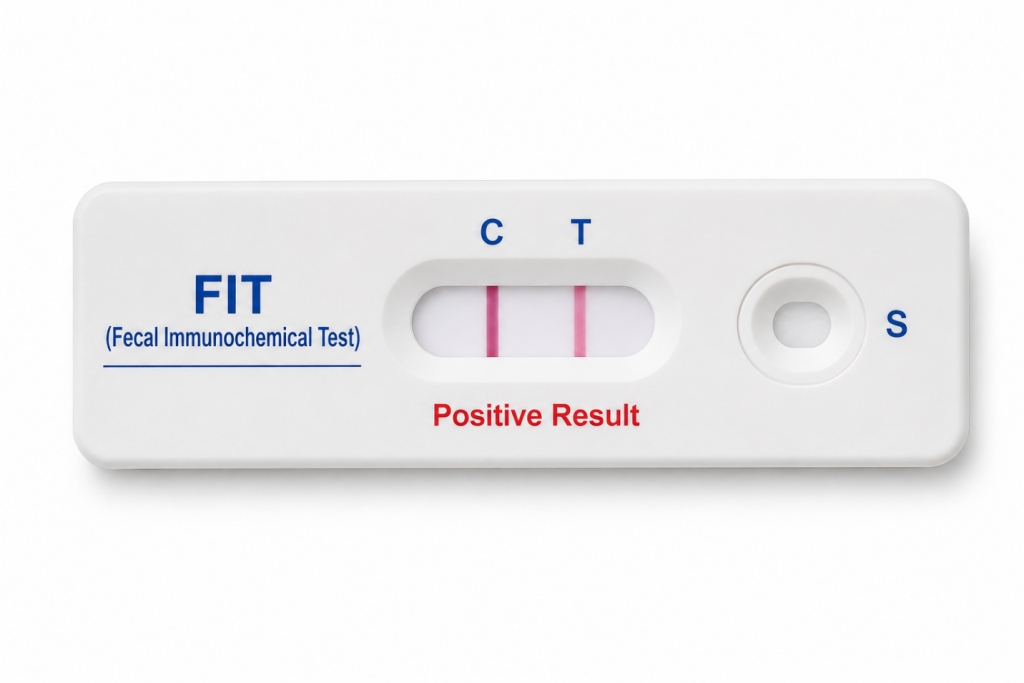
The Faecal Immunochemical Test (FIT) is a convenient and non-invasive screening option, and it plays a valuable role in colorectal cancer screening programmes. However, it has important limitations that are worth understanding.
FIT detects the presence of blood in the stool, which can be a sign of colorectal abnormalities. But bleeding can be intermittent, meaning a FIT test may return a normal result even when a polyp or early cancer is present. It also cannot identify the source or cause of any bleeding detected.
Dr Aaron comments, “a general rule of thumb is the ‘⅓ rule’. The FIT test can miss up to ⅓ of colorectal cancers and pick up only ⅓ of advanced pre-cancerous polyps.”
A positive FIT result should always be followed up with a colonoscopy, which allows doctors to directly visualise and assess the source of bleeding [5]. A negative result, while reassuring, does not entirely rule out colorectal disease.
FIT is a helpful starting point, but colonoscopy remains the gold standard for diagnosis and prevention.
It is a very human instinct to trust how your body feels. If nothing seems wrong, it is easy to assume that nothing is wrong. Unfortunately, when it comes to colorectal cancer, this instinct can be misleading.
As we touched on earlier in this article, most colonic polyps develop without any symptoms at all. Early colorectal cancer is much the same. There may be no pain, no changes in bowel habits, no bleeding and no warning signs that anything is amiss. By the time symptoms do appear, the disease has often already progressed to a more advanced stage.
This is precisely what makes colonoscopy so valuable as a screening tool. It does not wait for your body to signal a problem. It looks for one before that signal ever comes.
Feeling well is not the same as being well. Regular screening is the only reliable way to know.

A colorectal cancer diagnosis can feel overwhelming, and it is understandable that many people associate it with the worst possible outcome. However, this fear, while natural, does not reflect the full picture.
Colorectal cancer is one of the most treatable cancers when caught early. Survival rates for early-stage colorectal cancer are significantly higher than for cancers detected at a later stage. The challenge is that early-stage colorectal cancer often produces no symptoms, which is why screening plays such a critical role.
For patients diagnosed at a localised stage, before the cancer has spread beyond the bowel, treatment outcomes are generally very good. Even for more advanced cases, advances in surgical techniques and oncological care have meaningfully improved what is possible.
This is why early screening matters so much. The earlier colorectal cancer is detected, the better the chances of a full recovery. What makes colonoscopy particularly powerful is that it is not just a diagnostic tool. If polyps are found during the procedure, they can often be removed on the spot, before they ever have the chance to become cancerous. In this sense, colorectal cancer is one of the few cancers that can be actively prevented, not just detected.
A diagnosis is not a foregone conclusion. What matters most is when it is found, and that is something screening can directly influence.
Understanding the facts about colonoscopy can help individuals make informed decisions about colorectal cancer screening.
Fear, misinformation and misconceptions are some of the most common reasons people delay colorectal cancer screening. But as we have seen, many of the concerns surrounding colonoscopy are based on myths rather than fact.
The procedure is safe, especially when performed by an experienced colorectal specialist, and far less daunting than most people expect. Colorectal cancer often develops without any warning signs, and by the time symptoms appear, the disease may already be at a more advanced stage. A colonoscopy screening gives you the opportunity to get ahead of that, and in many cases, it can prevent cancer from developing at all by removing polyps before they turn cancerous.
Early detection saves lives, and the earlier colorectal cancer is found, the more treatment options are available and the better the outcomes tend to be. To find out more or to arrange a consultation, please contact us.
The recommended age depends on your personal risk factors, family history and current screening guidelines. Some individuals may require screening earlier than others.
A positive FIT result is usually followed by a colonoscopy because the stool test cannot determine the source of bleeding. Colonoscopy allows doctors to examine the colon directly and identify the cause.
The procedure itself typically takes between 20 and 45 minutes, although this can vary depending on the findings and whether polyps need to be removed.
While bowel preparation can be inconvenient, many patients find it more manageable than expected. Proper preparation is important because it helps ensure an accurate examination.
Yes, many polyps can be removed during the same procedure, reducing the risk of them developing into colorectal cancer in the future.
The recommended interval depends on your age, risk factors and previous colonoscopy findings. Our doctor will advise an appropriate follow-up schedule.
Yes, early colorectal cancer and colon polyps often do not cause symptoms, which is why screening plays an important role in early detection.
Yes, colonoscopy is commonly performed with sedation in Singapore to help ensure patient comfort and minimise discomfort during the procedure.

Dr Aaron Poh is a fully accredited General Surgeon with dual subspecialties in Colorectal Surgery and Trauma Surgery, recognised by Singapore’s Specialist Accreditation Board and Ministry of Health. He is the Medical Director of Alpine Surgical Practice, with clinics located at Mount Elizabeth Hospital, Parkway East Hospital, and Farrer Park Hospitals.
Dr Aaron Poh has extensive experience, having performed over 5,000 endoscopic procedures. He is a strong advocate for early detection through colonoscopy, particularly for individuals at risk of colorectal cancer. His expertise includes advanced endoscopic techniques such as Endoscopic Mucosal Resection (EMR) for complex polyps and colonic stenting for obstructed cancers, which help patients avoid major emergency surgery.
When surgery is required, he specialises in minimally invasive laparoscopic colorectal cancer surgery, offering patients faster recovery with less pain and scarring. In addition to cancer care, he manages a wide range of anal conditions including haemorrhoids, fistulas, fissures, and abscesses, providing comprehensive colorectal treatment.
Dr Aaron Poh is a fully accredited General Surgeon with dual subspecialties in Colorectal Surgery and Trauma Surgery, recognised by Singapore’s Specialist Accreditation Board and Ministry of Health. He is the Medical Director of Alpine Surgical Practice, with clinics located at Mount Elizabeth Hospital, Parkway East Hospital, and Farrer Park Hospitals.
Dr Aaron Poh has extensive experience, having performed over 5,000 endoscopic procedures. He is a strong advocate for early detection through colonoscopy, particularly for individuals at risk of colorectal cancer. His expertise includes advanced endoscopic techniques such as Endoscopic Mucosal Resection (EMR) for complex polyps and colonic stenting for obstructed cancers, which help patients avoid major emergency surgery.
When surgery is required, he specialises in minimally invasive laparoscopic colorectal cancer surgery, offering patients faster recovery with less pain and scarring. In addition to cancer care, he manages a wide range of anal conditions including haemorrhoids, fistulas, fissures, and abscesses, providing comprehensive colorectal treatment.

Copyright © Colonoscopy Doctor Singapore by Alpine Surgical Practice | Terms & Conditions


