The thought of having a colonoscopy can make some people understandably nervous. You may be wondering whether the procedure will hurt, whether you will be awake or how you might feel afterwards.
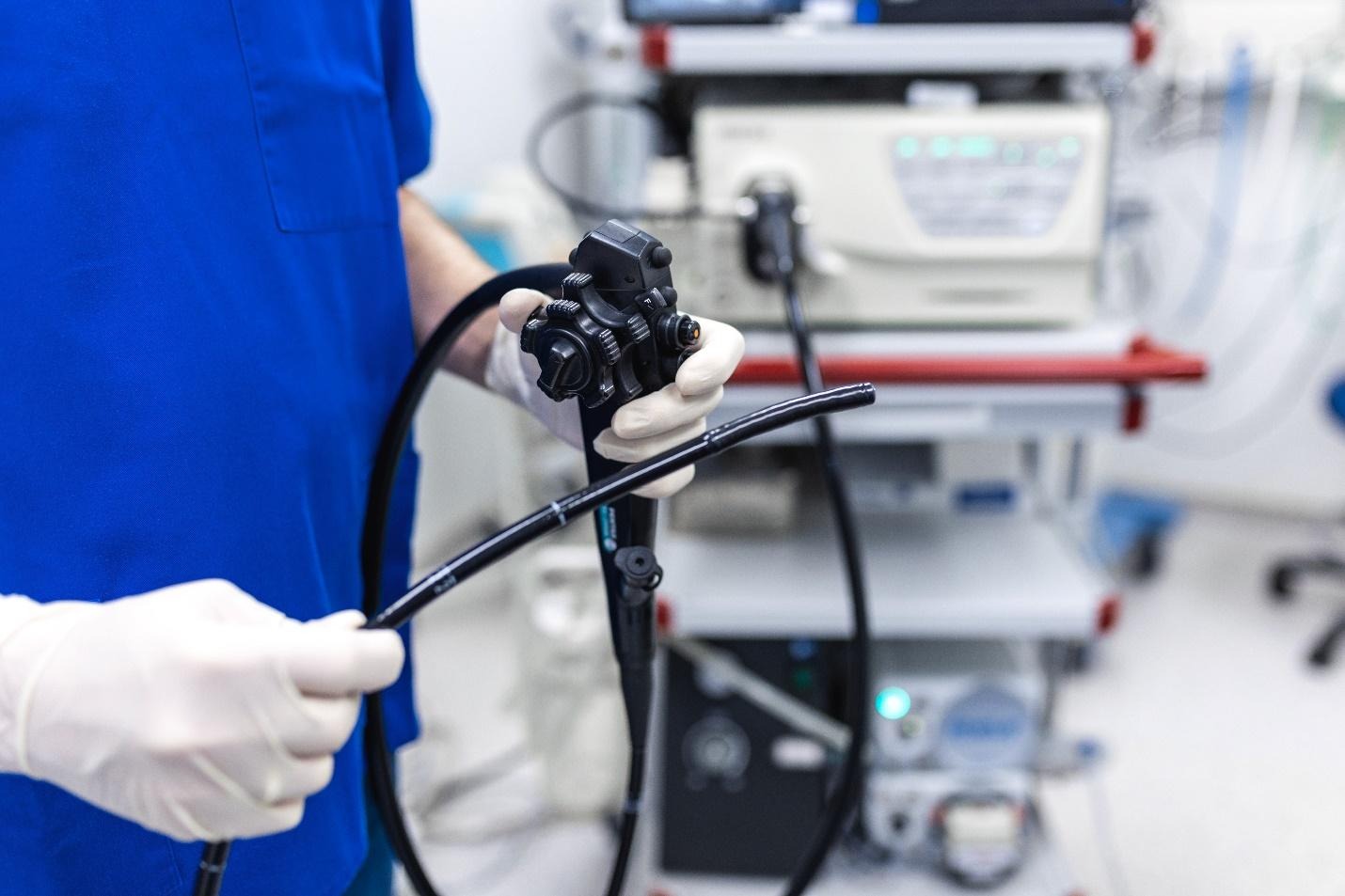
During a colonoscopy, a thin, flexible tube with a camera is passed through the anus and guided along the large intestine so that the lining of the bowel can be examined. The procedure should not normally be painful, although some people experience temporary pressure, bloating or cramping as the colonoscope moves through the bowel.
In this article, we explain what a colonoscopy may feel like, how sedation can improve comfort, what recovery involves and which symptoms should be assessed after the procedure.
Many people do not experience pain during a colonoscopy, particularly when sedation is used. However, temporary discomfort can occur, and the experience varies from person to person.
During the examination, you may feel:
Sedation can help you feel more relaxed and less aware of these sensations, although it does not always remove them completely. If you become uncomfortable, the doctor can adjust the technique or take other appropriate measures to improve your comfort.
Sedation exists on a spectrum, ranging from mild relaxation to deep sleep. The appropriate level depends on your health, anxiety, preferences, the complexity of the examination and the arrangements at the endoscopy facility.
| Type of sedation | What you may experience |
| Minimal or light sedation | You remain awake and responsive but may feel calmer and more relaxed. You may still be aware of pressure, bloating or cramping. |
| Moderate sedation | You become drowsy and deeply relaxed but can usually respond to verbal instructions or gentle touch. You may have limited memory of the procedure. |
| Deep sedation | You are asleep or almost asleep and are unlikely to remember the examination. You are not easily awakened and require closer monitoring throughout the procedure. |
| General anaesthesia | You are completely unconscious and your breathing may need to be supported. General anaesthesia is not routinely required for colonoscopy but may be considered in selected circumstances. |
Some colonoscopies can also be performed without sedation. Your doctor will discuss the available options with you, taking into account what makes you feel most comfortable as well as what is medically appropriate for the planned procedure. Without sedation, you will remain fully awake and may feel pressure, bloating or cramping as the colonoscope moves through the bowel.
Knowing what to expect at each stage can make the procedure feel less unfamiliar and help you prepare appropriately.
| Stage | What to expect |
| Before the colonoscopy | You will be given instructions on adjusting your diet and taking bowel-preparation medication to clear the colon. Your doctor will also review your health, medications, allergies and previous reactions to sedation or anaesthesia. If sedation is planned, you will need to arrange for someone to accompany you home |
| During the colonoscopy | You will usually lie on your side while a flexible colonoscope is gently passed through the anus and guided through the large intestine. Air or carbon dioxide may be introduced to expand the bowel and improve visibility. The doctor will examine the bowel lining and may remove polyps or take tissue samples if required. Your vital signs will be monitored throughout the procedure when sedation is used. |
| After the colonoscopy | You will be monitored in a recovery area until you are sufficiently alert and medically ready to leave. Temporary bloating, increased gas or mild cramping can occur. Your doctor may explain the initial findings, while the results of any biopsies or removed polyps will usually be discussed at a later appointment. If you received sedation, someone will need to accompany you home. |
Most people recover relatively quickly after a colonoscopy. However, recovery from the examination itself and recovery from sedation may follow slightly different timelines.
After your colonoscopy:
Many people can return to their usual activities the following day. Your recovery may take slightly longer depending on the sedation used, how you feel afterwards and whether any additional procedures were performed.
Colonoscopy is generally considered a safe procedure, but all medical procedures carry some risk. Your individual risk depends on factors such as your overall health, the sedation used and whether a biopsy or polyp removal is performed.
These generally improve as you recover:
Possible complications include:
Dr Aaron Poh will explain the relevant risks and benefits before the procedure and answer any questions you may have.
Mild bloating, gas and abdominal cramping can occur after a colonoscopy and should gradually improve. A small amount of rectal bleeding may also occur following a biopsy or polyp removal.
However, contact your doctor or endoscopy facility promptly if you experience:
Seek urgent medical attention if your symptoms are severe, you are passing a large amount of blood, you faint or you experience difficulty breathing. Bring your colonoscopy report with you if it is available.
It is understandable to feel concerned about pain before undergoing a colonoscopy. Although the procedure may cause temporary pressure, bloating or cramping, sedation can help reduce anxiety, awareness and discomfort for many patients.
Most people recover relatively quickly, although the effects of sedation may continue after they feel awake. Following your aftercare instructions, arranging for someone to accompany you home and knowing which warning signs to monitor can support a safer recovery.
At Alpine Surgical Practice, Dr Aaron Poh provides colonoscopy services for patients who require investigation of colorectal symptoms or abnormalities in Singapore. If you have been advised to undergo a colonoscopy, a consultation can help you understand why it has been recommended, whether sedation may be appropriate and what to expect before, during and after the examination.
You can discuss sedation with your doctor before the procedure. Whether it is appropriate and which level may be used depend on your medical history, individual risk factors and the arrangements at the endoscopy facility.
This depends on the depth of sedation used. With lighter or moderate sedation, you may remain responsive but feel relaxed and drowsy. With deep sedation, you may be asleep or have little awareness or memory of the examination.
Some colonoscopies can be performed without sedation. Whether this is suitable will be discussed with your doctor based on your preferences, medical condition and the planned procedure. You will remain awake and may feel pressure, bloating or cramping during the examination.
The examination commonly takes approximately 30 to 45 minutes, although it may take longer if polyps need to be removed or other procedures are performed. Your total time at the facility will be longer because of registration, assessment, sedation and recovery.
You may feel awake shortly after the examination, but sedation can continue to affect your judgement, coordination and reaction time for several hours. Follow the precautions given by your doctor or endoscopy facility for the first 24 hours.
You should not drive after receiving sedation. Arrange for a responsible adult to accompany you home and follow the facility’s instructions about when you may resume driving.
Most patients can resume eating and drinking once they have recovered sufficiently. You may prefer to begin with a light meal. Follow any specific dietary instructions provided if a biopsy was taken or a polyp was removed.
A small amount of rectal bleeding may occur after a biopsy or polyp removal. Heavy, persistent or increasing bleeding, passing blood clots, black stools, dizziness or fainting requires prompt medical attention.
Many people can return to work and their usual activities the following day if they feel well. You may need more time if you remain drowsy, experience discomfort or underwent a biopsy or polyp removal.
A colonoscopy can be performed in older adults when medically appropriate. The doctor will consider the person’s general health, medications, existing medical conditions, sedation risk and the expected benefit of the examination.
Tell your doctor about your concerns before the colonoscopy. Understanding what will happen and discussing available sedation or comfort measures can make the procedure feel more manageable.

Dr Aaron Poh is a fully accredited General Surgeon with dual subspecialties in Colorectal Surgery and Trauma Surgery, recognised by Singapore’s Specialist Accreditation Board and Ministry of Health. He is the Medical Director of Alpine Surgical Practice, with clinics located at Mount Elizabeth Hospital, Parkway East Hospital, and Farrer Park Hospitals.
Dr Aaron Poh has extensive experience, having performed over 5,000 endoscopic procedures. He is a strong advocate for early detection through colonoscopy, particularly for individuals at risk of colorectal cancer. His expertise includes advanced endoscopic techniques such as Endoscopic Mucosal Resection (EMR) for complex polyps and colonic stenting for obstructed cancers, which help patients avoid major emergency surgery.
When surgery is required, he specialises in minimally invasive laparoscopic colorectal cancer surgery, offering patients faster recovery with less pain and scarring. In addition to cancer care, he manages a wide range of anal conditions including haemorrhoids, fistulas, fissures, and abscesses, providing comprehensive colorectal treatment.
Dr Aaron Poh is a fully accredited General Surgeon with dual subspecialties in Colorectal Surgery and Trauma Surgery, recognised by Singapore’s Specialist Accreditation Board and Ministry of Health. He is the Medical Director of Alpine Surgical Practice, with clinics located at Mount Elizabeth Hospital, Parkway East Hospital, and Farrer Park Hospitals.
Dr Aaron Poh has extensive experience, having performed over 5,000 endoscopic procedures. He is a strong advocate for early detection through colonoscopy, particularly for individuals at risk of colorectal cancer. His expertise includes advanced endoscopic techniques such as Endoscopic Mucosal Resection (EMR) for complex polyps and colonic stenting for obstructed cancers, which help patients avoid major emergency surgery.
When surgery is required, he specialises in minimally invasive laparoscopic colorectal cancer surgery, offering patients faster recovery with less pain and scarring. In addition to cancer care, he manages a wide range of anal conditions including haemorrhoids, fistulas, fissures, and abscesses, providing comprehensive colorectal treatment.

Copyright © Colonoscopy Doctor Singapore by Alpine Surgical Practice | Terms & Conditions


